Fujifilm GFX100RF review. Is it any good for street photography?
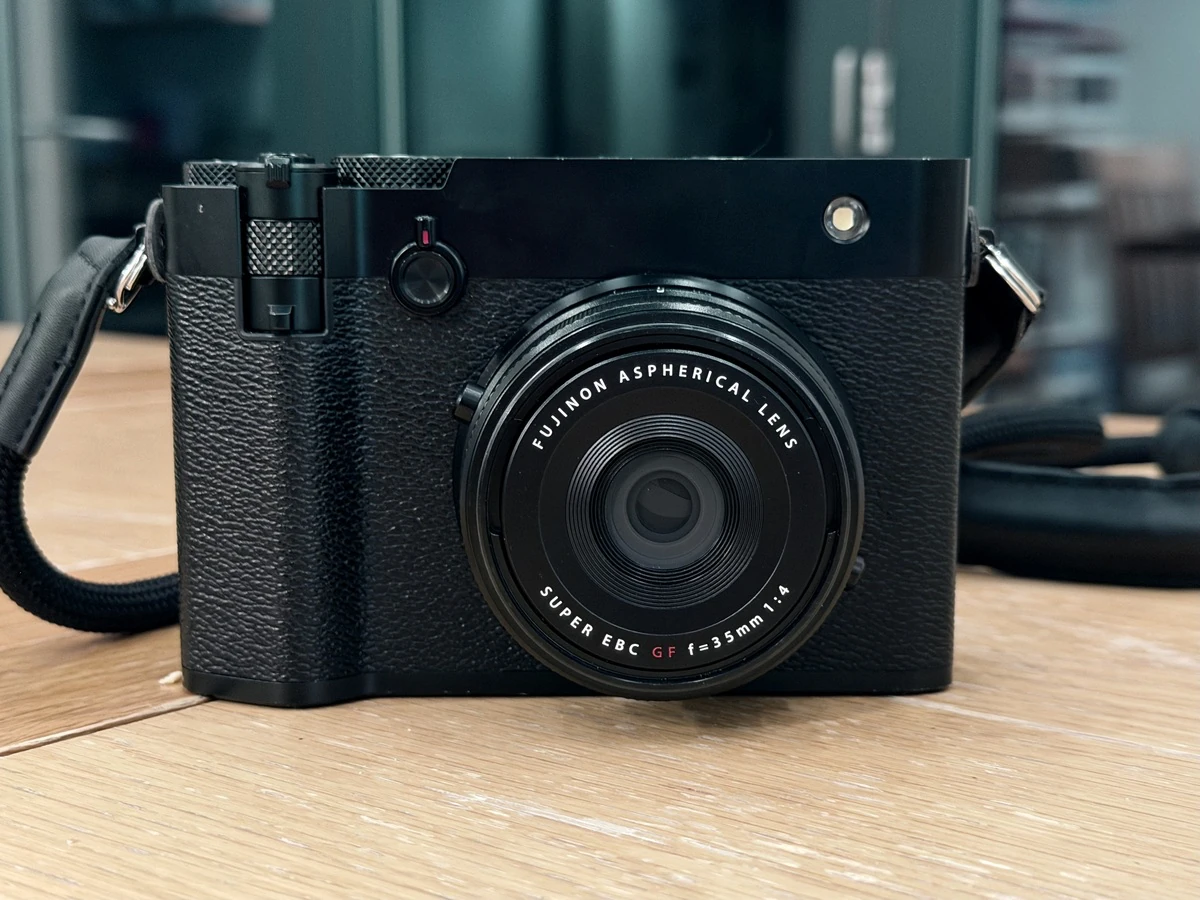
The Fujifilm GFX100RF launched in March 2025. This camera comes with Fujifilm’s most advanced and high resolution, medium format sensor (102MP) in a comparatively small and lightweight package. It’s essentially a GFX version of the wildly popular, and widely loved, X100 series.
This tech comes at a price. At £4500 it’s three times the price of the X100VI – well beyond the reach of most consumer and even prosumer-level photographers. So who is this camera for, and more importantly what is this camera for?
I’ve given the GFX100RF a run for the past two weeks thanks to a Fujifilm loan, and in this post I’ll give you my thoughts as a Fujifilm X Series user for over 10 years. Two weeks isn’t really long enough to get to know a camera and all its quirks intimately, but it’s the only time I had so I’ll do my best.
Setting the scene
I’ve used Fujifilm X Series cameras since the wonderful X100T in 2015. I’m a huge fan of the X100 series, having also owned the X100V and most recently the X100VI – the current flagship model.
I also shoot on an X-T5, and I used the X-S10 for a couple of years prior to getting the X-T5. Although I feel very comfortable with Fujifilm’s X Series cameras, I’ve yet to use a GFX.
First impressions
I haven’t read (or watched) many reviews of the GFX100RF, so I didn’t have too many preconceptions. Given the price, I did expect something with top build quality (more so than my X100VI or X-T5), as well as noticeably better image quality and dynamic range. I wanted to be wowed.
After taking it out of the flight case, I was actually a little disappointed. The GFX100RF essentially looks like an X100V, but a little less attractive which I put down to the increased size. It’s certainly compact when you consider what’s inside (massive sensor, bigger battery), but it’s on the edge of what you might call a “daily carry”.
Holding it in the hand felt very much like holding the X100VI. The same materials, and from what I can tell, the same build quality. This isn’t a bad thing, it’s just not any more premium. If you hold a Leica Q3 in your hands you’ll be able to tell the difference, and this is important because the GFX100RF is clearly being targeted as a competitor to the Q3.
The available buttons are very similar to the X100VI, but there’s the addition of an aspect ratio dial and a new rocker-switch and dial on the front.
The menu system is identical to all modern X Series cameras (and I presume other GFX models) which is fine, but it’s 2026 and it still feels like using same archaic menu systems from 2006. More on this later.
So the unboxing (albeit a well-used camera out of a flight case, rather than a pristine body out of a box) was rather underwhelming, which kind of the scene for the next two weeks.
Lens protector and hood
Out of the box the camera comes without any lens protection. I don’t know about you, but I’m not using a £4500 fixed lens camera without something to protect it from the inevitable knocks. Same goes for the X100VI.
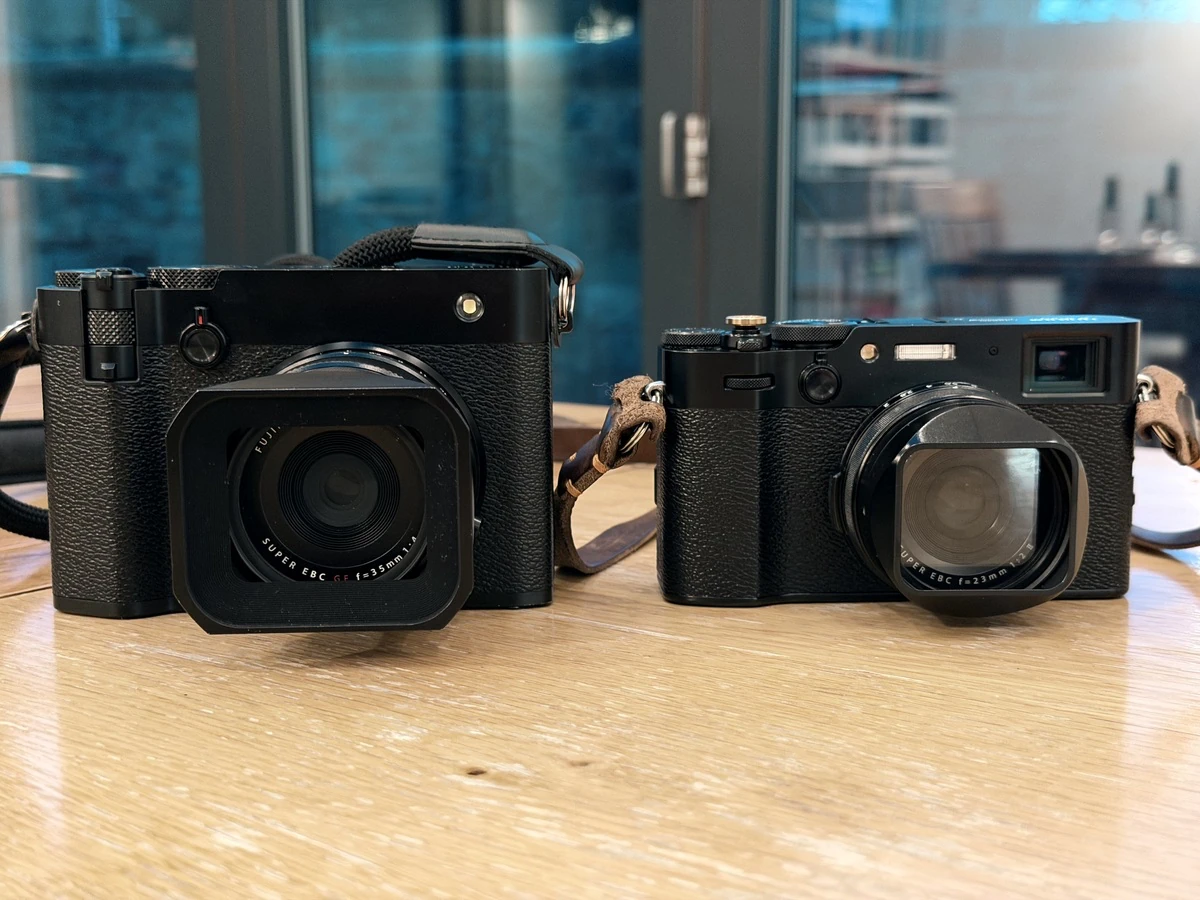
Fujifilm supplied a glass protector as well as an oversized (IMHO) lens hood with the GFX100RF (I presume this comes as standard, and not just with my loan?). However, I don’t think they’ve done a particularly good job here.
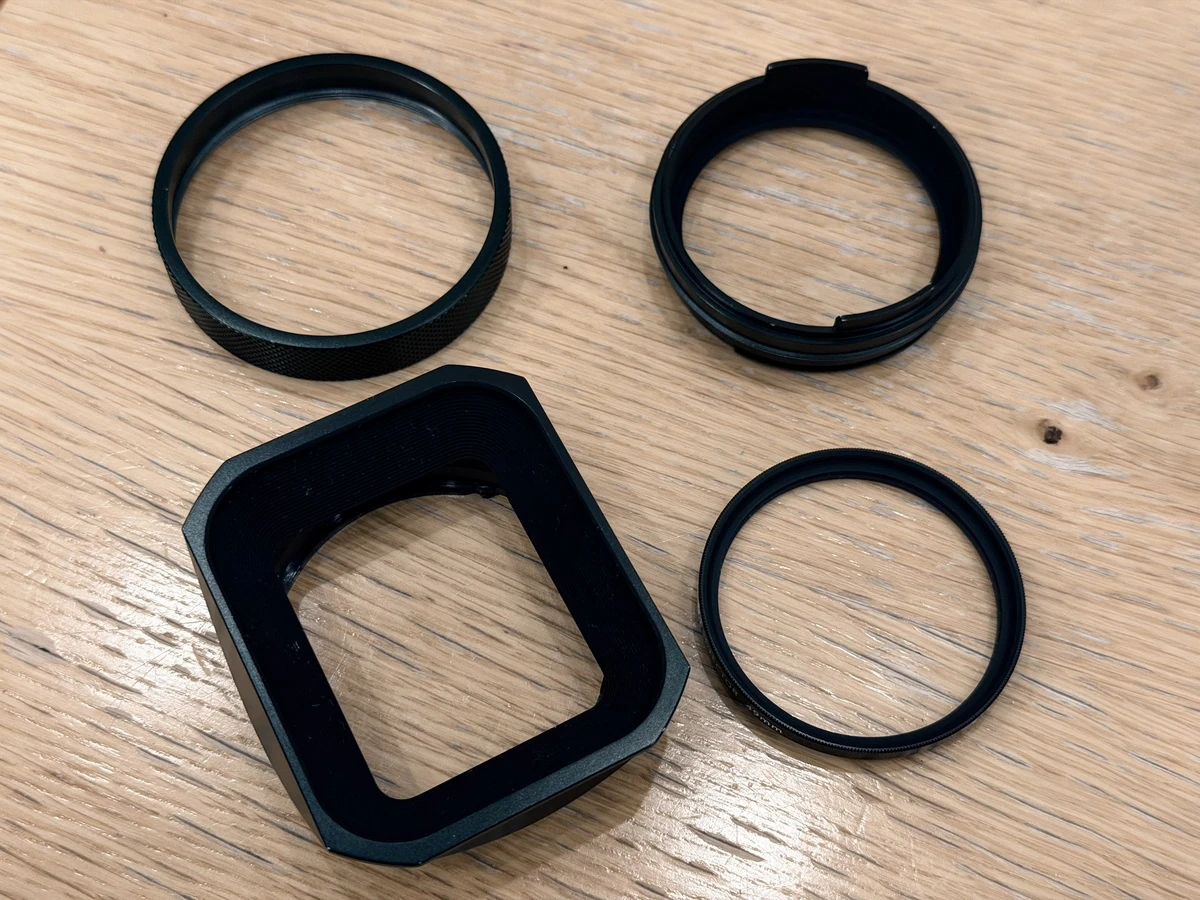
In order to attach the protector, you have to add an extension ring onto the lens. This is expected, since it’s the same with the X100VI, but I had some issues:
- The extension is made to look like the focus ring on the lens (fine), but it’s slightly smaller in diameter so it looks odd and it feels like an add-on, whereas the X100VI one is made of a smooth metal which blends in with a lens hood much better and feels more like a natural accessory.
- The extension comes in two pieces, and unfortunately you need a PhD in Physics in order to figure out how to attach it. Perhaps I have a pea-sized brain, but it took me a while to understand. Why should something be this hard?
- Once I’d figure out how to get this contraption to work, screwing everything together felt like I was doing damage. I would expect a beautifully smooth thread to the attachment that “just worked”, but instead it felt one of those Amazon knock-offs that didn’t quite fit.
Once I’d finally get the attachment, I could easily screw on the glass protector, and attaching the hood was also fine. It’s not the prettiest looking hood though, at least to my eyes. Compare it with the gorgeous Squarehood third party one I use on my X100VI. No contest.
Setting up the camera to shoot
With the camera physically ready, I had to configure the software for shooting. Once you’ve set the time and date, the camera works out of the box, but I wanted to configure the buttons so they’re the same as I have them on the X100VI, so I could make use of my muscle memory.
The first thing I noticed is that the joystick felt quite different. It’s got a large thumb area, unlike the X100VI and X-T5 joystick, but I found this one more uncomfortable and harder to use. Now, this could well be because I’m so used to the X100VI, but even after days of shooting I found it more effort to use. It’s less sensitive and requires more push, which some people might be appreciative of, but I much prefer the X100VI version. Maybe all GFX cameras have this type, I dunno.
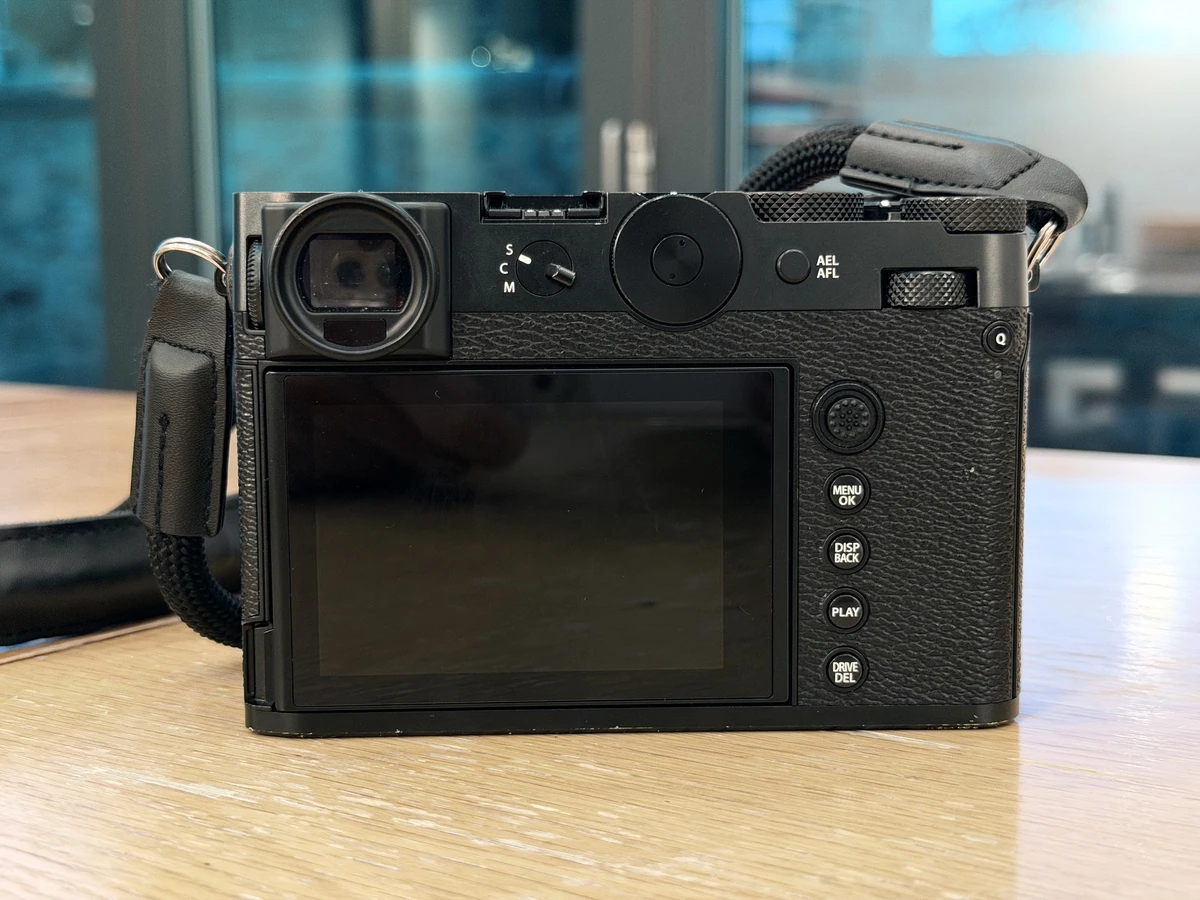
The next thing I noticed was that the the Display/Back and Play buttons were reversed! I’m used to having Play just below the Menu button, but for some unfathomable reason they’ve put the Display/Back button there instead. My muscle memory did not cope with this well, even after a week of use. I suppose it’s now closer to the X-T5 (although this has a D-pad with the menu button in the middle – the best approach!) but people coming from the X100VI or X-Pro series will face this confusing issue.
I would love a D-Pad on the X100VI and this camera – those extra buttons are just so useful! I don’t know why they don’t do this to be honest, but it’s fine.
These are minor nitpicks. The camera is easy to set up as long as you’re comfortable with the complex labyrinth of 2000s-era menus that all Fujifilm cameras have. I would have loved to see them overhaul these in a new, shiny premium product like this – an opportunity missed! Leica and Hasselblad lead the way with camera software – the Japanese manufactures seem stuck in the past. Such a shame, and I really don’t understand it.
Build quality and ergonomics
There’s no doubt this is a solid build from Fujifilm. The camera is heavy, but not too heavy. It has the weight of a Leica and it feels good in the hand. The small grip gives it some decent comfort, very much like the X100VI.
While the build is solid, it doesn’t have the absolute premium feel of the Leica Q3, despite being in the same pricing ballpark. It’s good, don’t get me wrong, but it’s not a Leica.
The dials are solid and feel good. They’re larger and deeper than on the X100V. One niggle I found was that the ISO/Exposure dial is flush to the top of the camera unlike on the X100VI. This made it fiddlier to adjust, certainly when I had gloves on (this is Scotland in winter!). These dual purpose (ISO and shutter speed) dials are clever, but frankly I’d much prefer a dedicated ISO dial on the left hand side.
The On/Off switch was improved over the X100VI and X-T5. It has a more protruding knob on the switch, although maybe a little too protruding. Either way, it works well.
Moving the focus (S/C/M) switch to the back of the camera rather than on the front (X-T5) or size (X100VI) was a good move for this body. It’s now really easy to see what mode you’re in, and it’s easier to change too. This comes with a compromise though – the Drive button now lives below the Play button. I rarely use this button so I’d prefer it to be elsewhere. That said, it’s better than the awful Drive dial on my X-T5 which is super-fiddly and gets knocked all the time when trying to change ISO.
There are two new dial additions to the GFX100RF. The first is the aspect ratio dial. Ergonomically speaking this is fine, not that I used it much. I’d prefer if it had the aspect ratio reading on the back of the dial as well as at the top which I think would make it clearer, but it’s fine. There’s also a new dial/rocker on the front of the GFX100RF which is used for the digital zoom. This is actually pretty cool, but I kept knocking this dial ALL THE TIME. I kid you not. The rocker is right there near my hand that is gripping the camera, so the slight adjustment of my hand can knock this so I’m suddenly in 50mm or, worse, 90mm mode without realising when I go to take a shot. I’m sure I could disable this, but it’s a handy feature that I like so I wanted easy access to it… just not so easy that you knock it accidentally so easily.
In action on the streets
I shoot mainly street photography so it was interesting to work this camera in the same way I use my X Series cameras.
With a 102MP sensor, high speed bursts are not possible. In fact, even with a 200mbps SD card in, after taking 2 or 3 photos in quick succession the camera goes into buffering mode and you have to wait for a few seconds for it to catch up.
There are two SD card slots, but there’s no CF Express support. This is a bit of a surprise to me, but I guess Fujifilm assume you’re not doing a lot of video or high-speed work anyway, so it’s overkill. They have a point, but it would be better in my opinion (not that I have a CF Express card!).
So there’s no machine-gunning bursts on the streets with this camera, if that’s your thing. This isn’t a big deal for me, although it is definitely harder to take a photo of someone walking and catch them in the right pose. Take it as a challenge, just as you would if shooting film!
In terms of autofocus, I was surprised at how good it was. I’d heard it could be slow and a bit unwieldy on medium format, but the performance of the GFX100RF felt pretty similar to the X100VI! Eye tracking was also excellent. This is a fantastic achievement from Fujifilm.
The Aspect Ratio dial isn’t for everyone but I found myself playing with it more than I thought I would. The widescreen shots are really pleasing and fun to make, although perhaps not really for street. Definitely for landscape though. I had it in native 4:3 resolution most of the time (an aspect ratio I really like), but I tried 6:5 and the super-wide ones too. It’s worth pointing out that you can do most of this on any X Series camera in the menu settings – there just isn’t a custom dial for it. I really don’t need this dial.
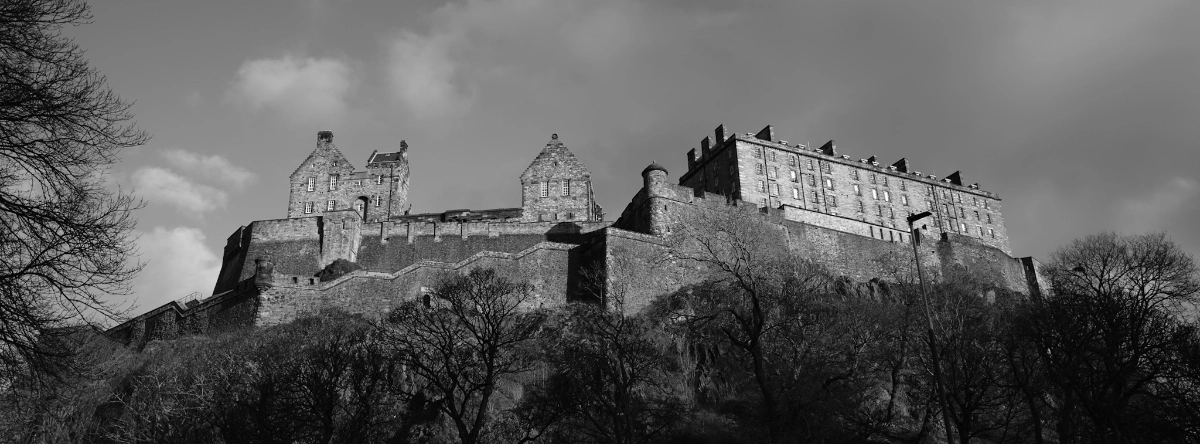
It’s worth pointing out that the live-view of the aspect ratio only works in JPEG or RAW+JPEG mode. If you set the camera to RAW only, changing the aspect ratio dial does nothing on the screen! This is completely bonkers to me. It means you have to save JPEGs as well as RAWS, meaning 250MB of storage for every image saved (JPEGs are over 40 MB). Surely Fujifilm need to fix this with a software update?
Essentially this is a camera for slower, more intentional shooting, but it would certainly be more than fine for many street photographers.
Image quality
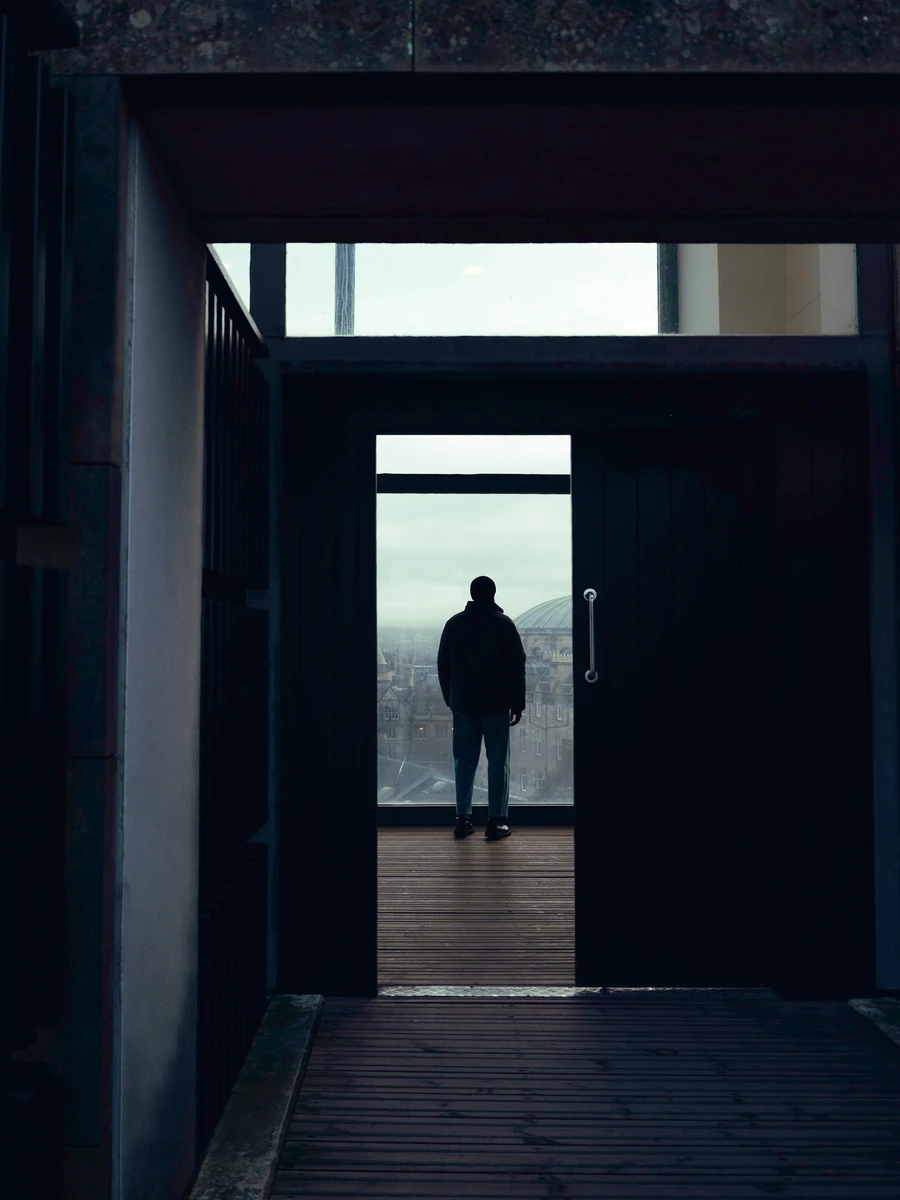
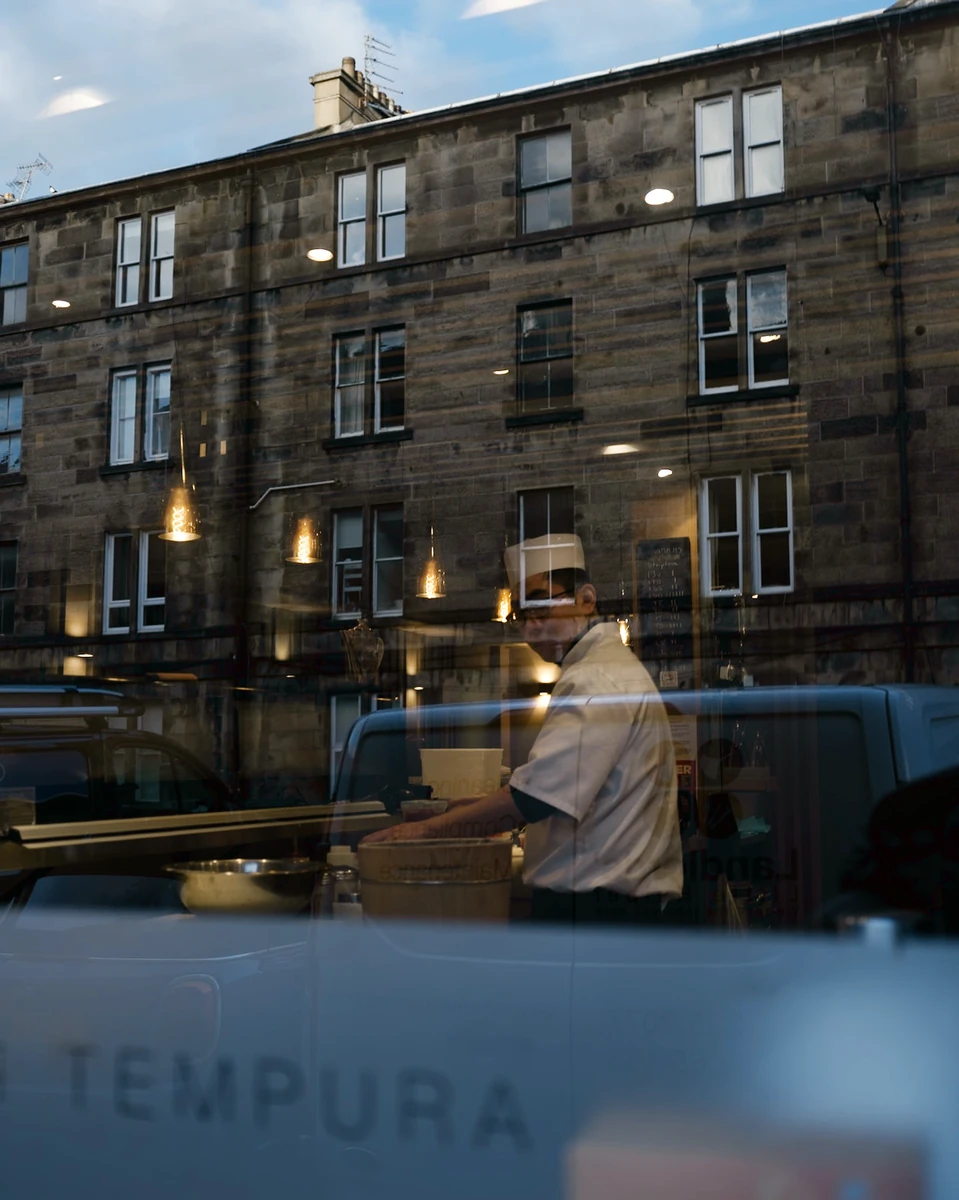
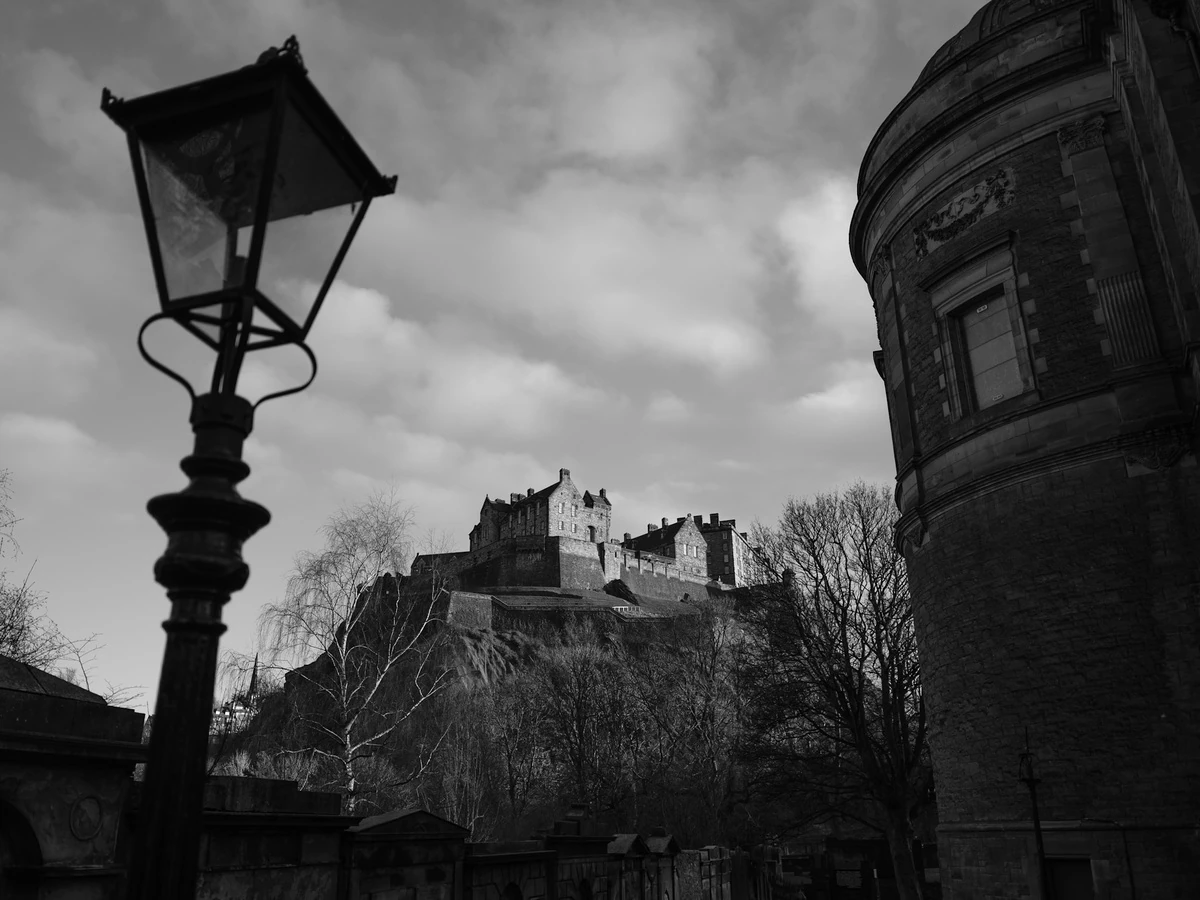
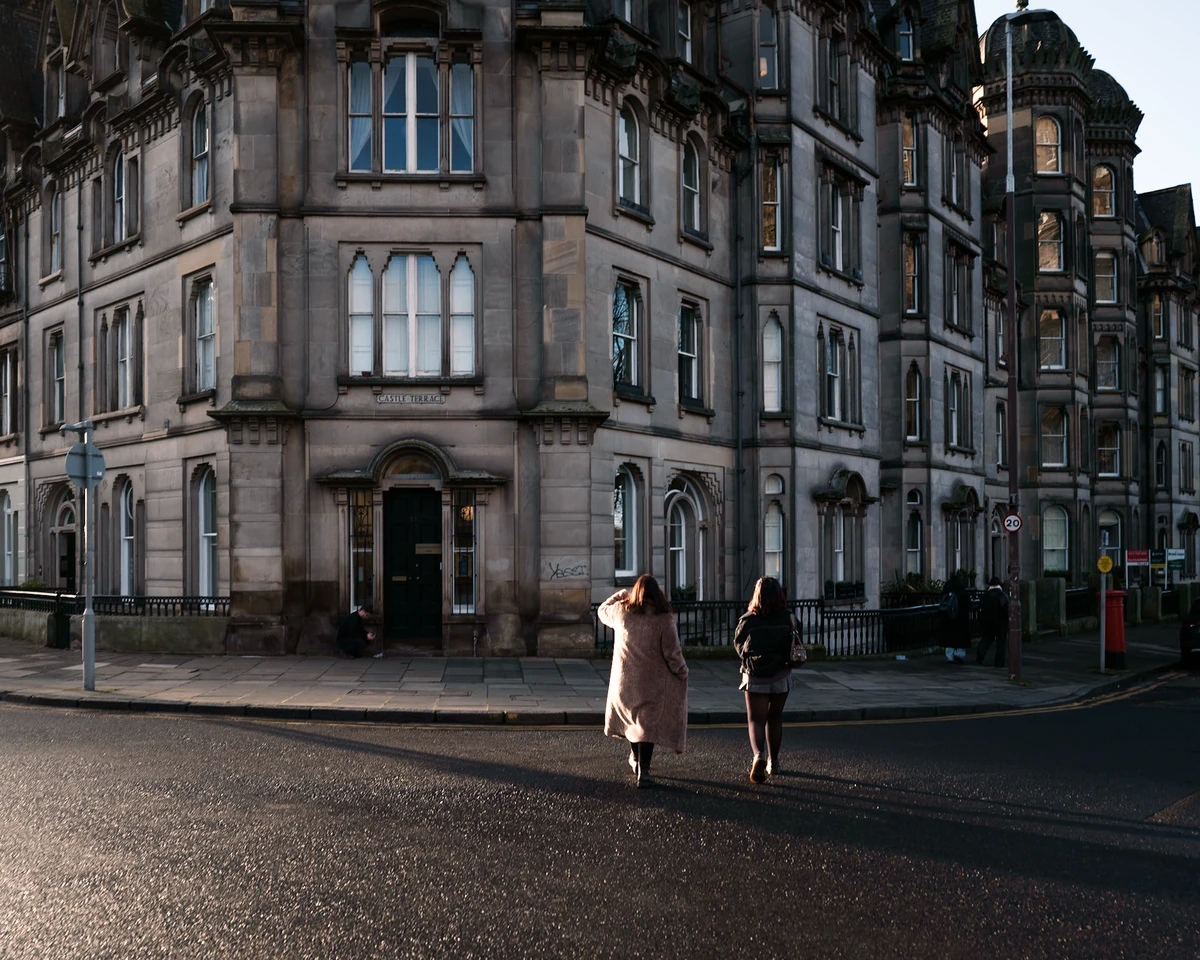
It goes without saying that the GFX100RF has incredible image quality.
The 35mm (28mm full-frame equivalent) lens is small and only opens to F4, but it’s sharp across the range. People have complained that you can’t get that gorgeous bokeh you see with the Leica Q3 (28mm F1.7), but it’s actually not that far off. I’d say you get the same effect as you do with the X100VI at F2. The Leica is always going to be better, but it’s £2k more expensive so that’s the tradeoff.
The images look great and they’re fantastic to edit in Lightroom.The dynamic range feels better than on the X100VI or X-T5. You can push and pull the RAW files more.
The lens is very sharp, despite being quite small. However, given that it’s an F4 and I’m shooting in cloudy Scotland, I found the ISO was often set to 3200 and there is definitely some noise here. Perhaps not quite as much as you’d get on the X Series sensor, but it’s there. At low ISO it’s brilliant (as is the X Series), but because of the F4 lens and the lack of IBIS, I wanted to keep the shutter speed up above 1/100 and this meant 3200 in most cases. I tried some night shooting as well, but I had to ramp up ISO to 6400 or 12800 in order to get the shutter speed up enough.
Not ideal, really. Not for street.
The 102MP sensor results in image files that are 11648 x 8736 pixels, and RAW files are a whopping 208MB! This is kind of insane, and it’s somewhat impractical for me. Do you need this size of picture with that level of detail? Is it worth the trade off against disk space and cloud storage? I don’t think it is, personally.
The digital zoom and the crop modes are actually kind great though. You can have wild panoramic shots, or you can crop in at 90mm, and still have ample pixels (20MP or something like that). For me, I’m not sure this alone is worth the tradeoff since most of my pictures are taken closer up, but for some people it absolutely would be worth it. YMMV. I do think the claims of being able to ditch the 50mm and 85mm lenses when you have one of these is kinda true.
Another word of warning. I have an M1 Max Macbook Pro with 32GB RAM which is pretty powerful, admittedly 4 years old, but it struggled a little in Lightroom when editing these images. It was okay but you can tell it struggled occasionally. When editing my 40MP X Series RAWs, I’ve never had a problem – it’s super fast. If you’re using Lightroom on an iPad, this is going to hurt.
Conclusion
The GFX100RF is a niche camera. It has very good image quality, but comes with a lot of compromises. The F4 lens (F3.2 full frame equivalent) is perfectly fine, but it’s not amazing and this is the problem with the GFX100RF in a nutshell. It’s perfectly fine, but at £4500 it needs to be superb.
Much of this is to do with the lens. If they could have got an F2 lens on it (F1.6 full frame equivalent), sacrificing some of the compact size (as Leica have done with the Q3), it would be WAY more compelling and attractive to people.
The 102MP sensor is really the main thing going for it. If you need that many pixels, and you love the form factor and fixed lens, maybe this is for you. But wouldn’t you pick a Q3 instead? After all, that has a 60MP sensor (not far off) and has a much better lens with IBIS in a package that’s arguably a little smaller.
Or wouldn’t you save £3000 (!) and go for an X100VI which has a very good 40MP sensor, incredible IBIS and better video? Why would you really pay this extra money? I don’t really understand if I’m being perfectly honest.
If you love the Fujifilm look and colour science (which admittedly, is unmatched), and if you have a lot of disposable income, then maybe this could be a special daily carry. It’s very capable so if you can live with the storage requirements and all the other compromises, why not.
In the end though, I think it’s a hard camera to love. Despite the obvious technical achievements, it’s just too… unexciting. It’s not an object of desire like a Leica, and it’s not a “pocket rocket” like the X100VI. So I’m left thinking, “who is this camera actually for?”
It’s certainly not me, that’s for sure. In fact, using it has made me want a Q3 now more than ever.
Sample Images