Fujifilm GFX100S II and GF55mmF1.7 R WR review
In my ongoing exploration of the Fujifilm camera range, I recently loaned their current pièce de résistance – the GFX100S II, paired with the GF55mmF1.7 R WR lens.
This is a 102 megapixel medium format (or, as Fujifilm call it, “large format”) mirrorless camera that offers what is arguably the best image resolution and image quality you can buy in a consumer digital camera.
The second edition of this camera brings improved performance over it’s predecessor, bringing it closer to the speed of Fujifilm’s X-Series cameras, which is remarkable considering how much larger the sensor is.
I wanted to see how this camera compared to the X-T5 and the GFX100RF, so read on to find out what I thought.
First impressions
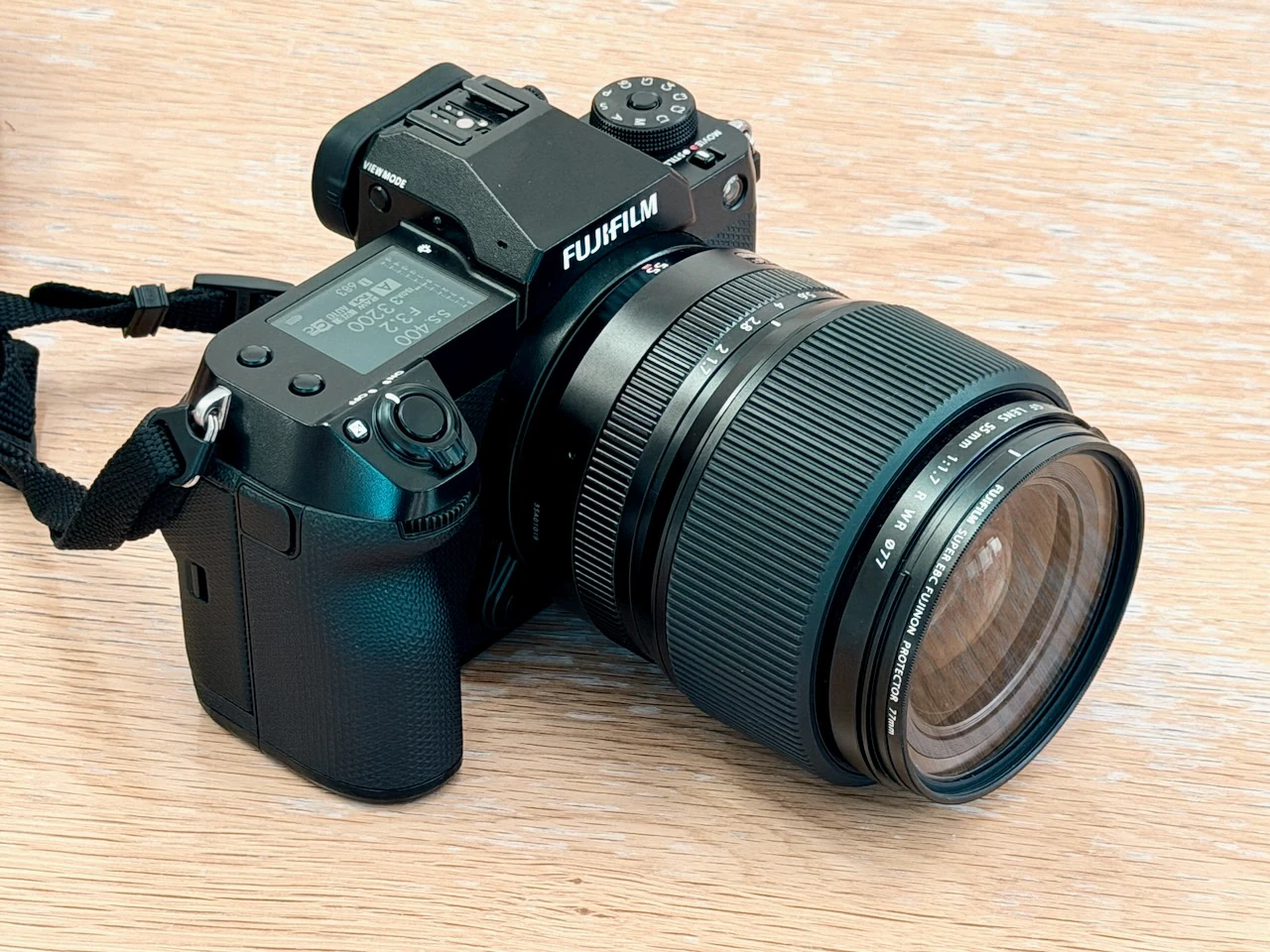
As soon as I took delivery of TWO flight cases (one for the body, one for the lens), I knew this was going to be a beast of a camera/lens combo. However I didn’t expect it to be this large.
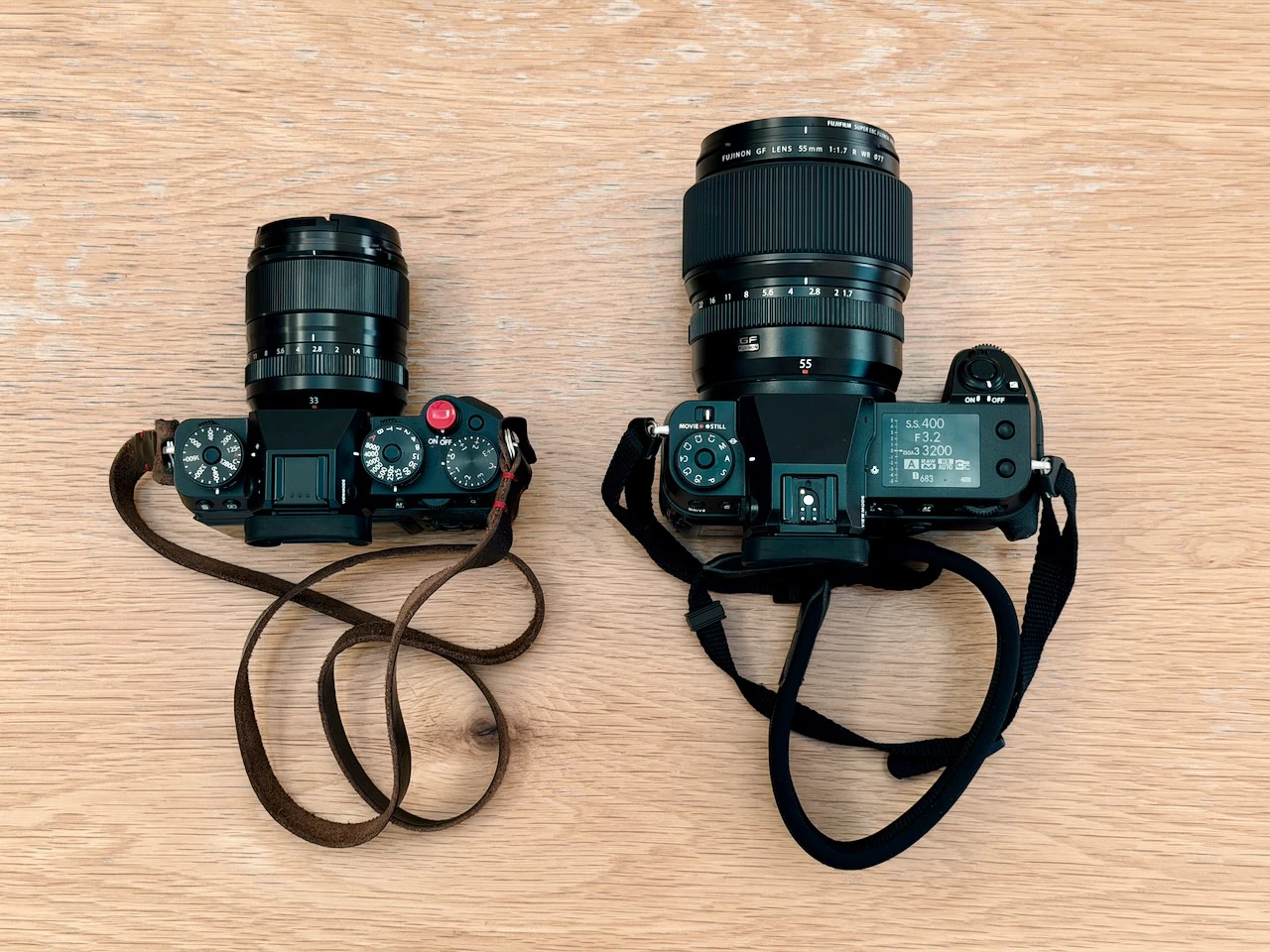
Compared to my X-T5, the body is MASSIVE. And this is the small body – its sibling is even bigger!
As for the lens, holy hell, it is huge. Vast. Monstrous. Gargantuan. Full-frame fans will think I’m being ridiculous because their premium f1.4 primes are also massive, but as a long-time X-Series customer it came as a surprise.
The GF55mmF1.7 R WR is a 43mm f1.2 full-frame equivalent lens, so of course this requires a lot of glass and a lot of girth. As a result it’s heavy, but since the body itself has a decent amount of weight, it’s not front-heavy when worn around the neck – the combo actually balances nicely.
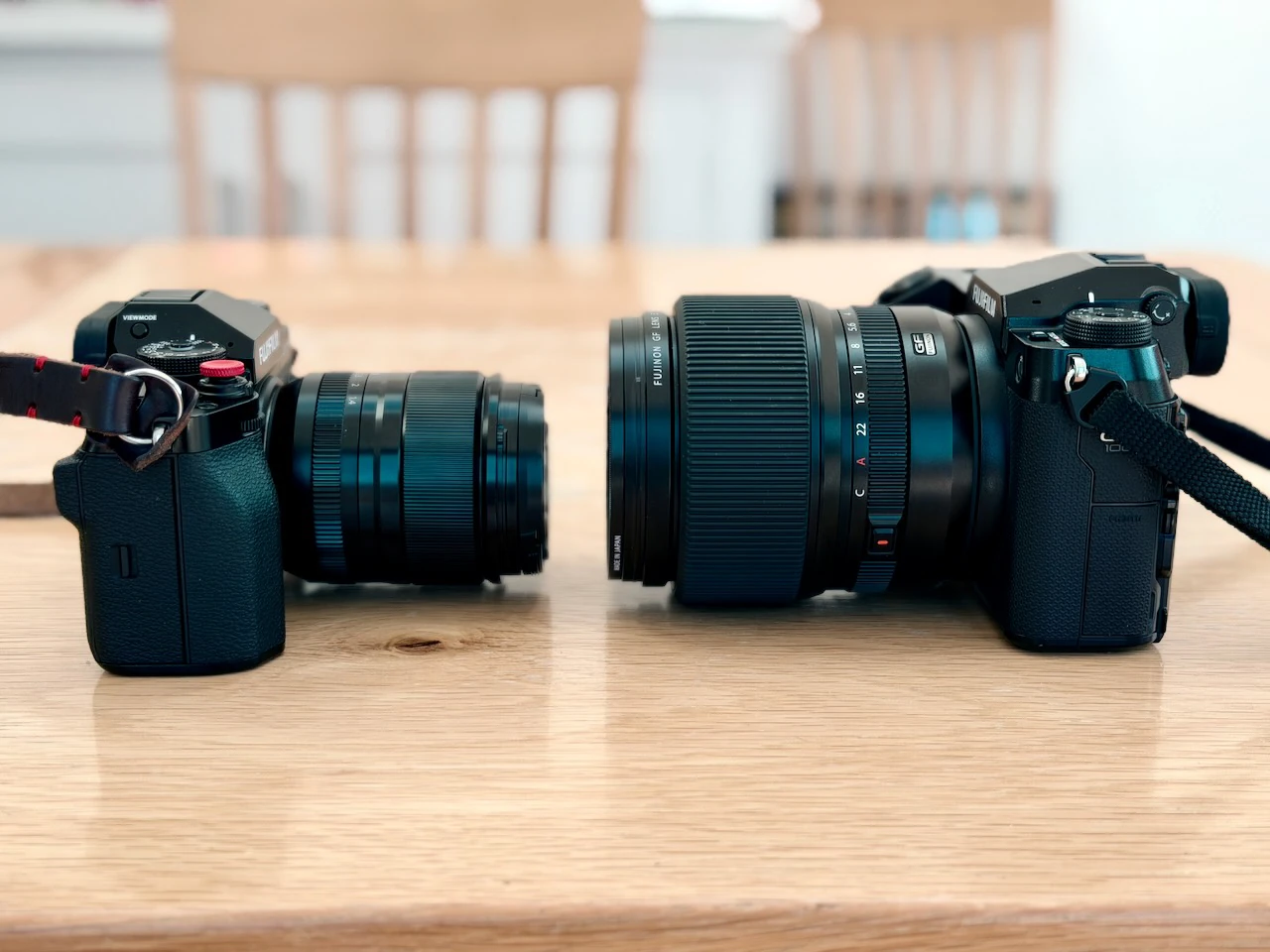
The body and the lens feel incredibly well built. Perhaps not Leica-levels of quality, but it certainly feels premium, more so than the X-T5.
The initial impression was very good. A solid beast of a camera that feels like it’s made to produce excellent images.
Handling
The grip on the body is chunky and fits my average-sized hands really well. If you have smaller hands, it’s going to feel big. Maybe too big. Although the GF55mmF1.7 is large, the body and lens feels ok to hold in one hand thanks to the grip. The combined weight is over 1.6kg so you’re going to struggle to walk around with it all day, but it’s not that kind of camera really. That said, I took it on a 4-hour photo walk around Edinburgh and it felt fine. YMMV as they say.
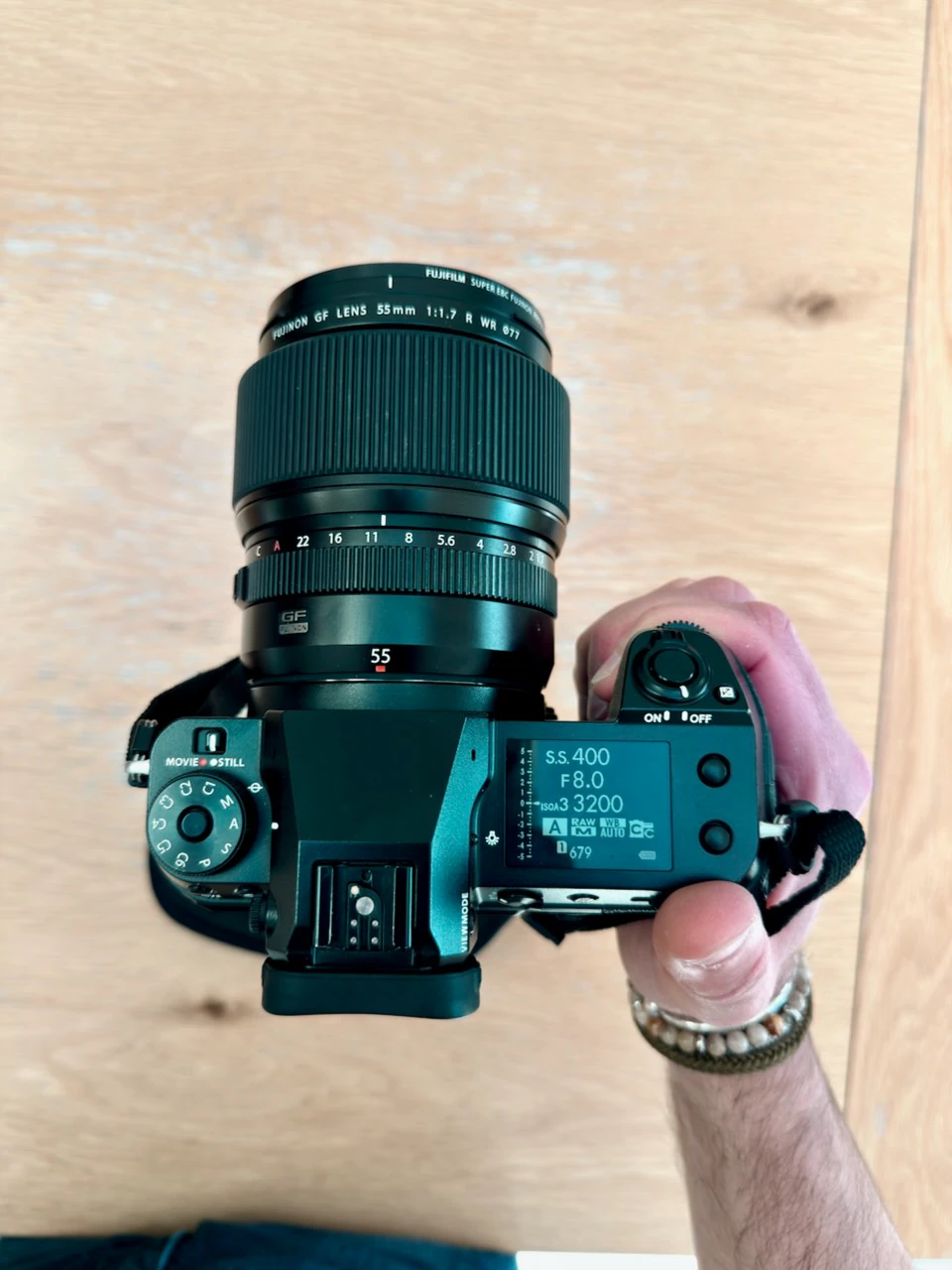
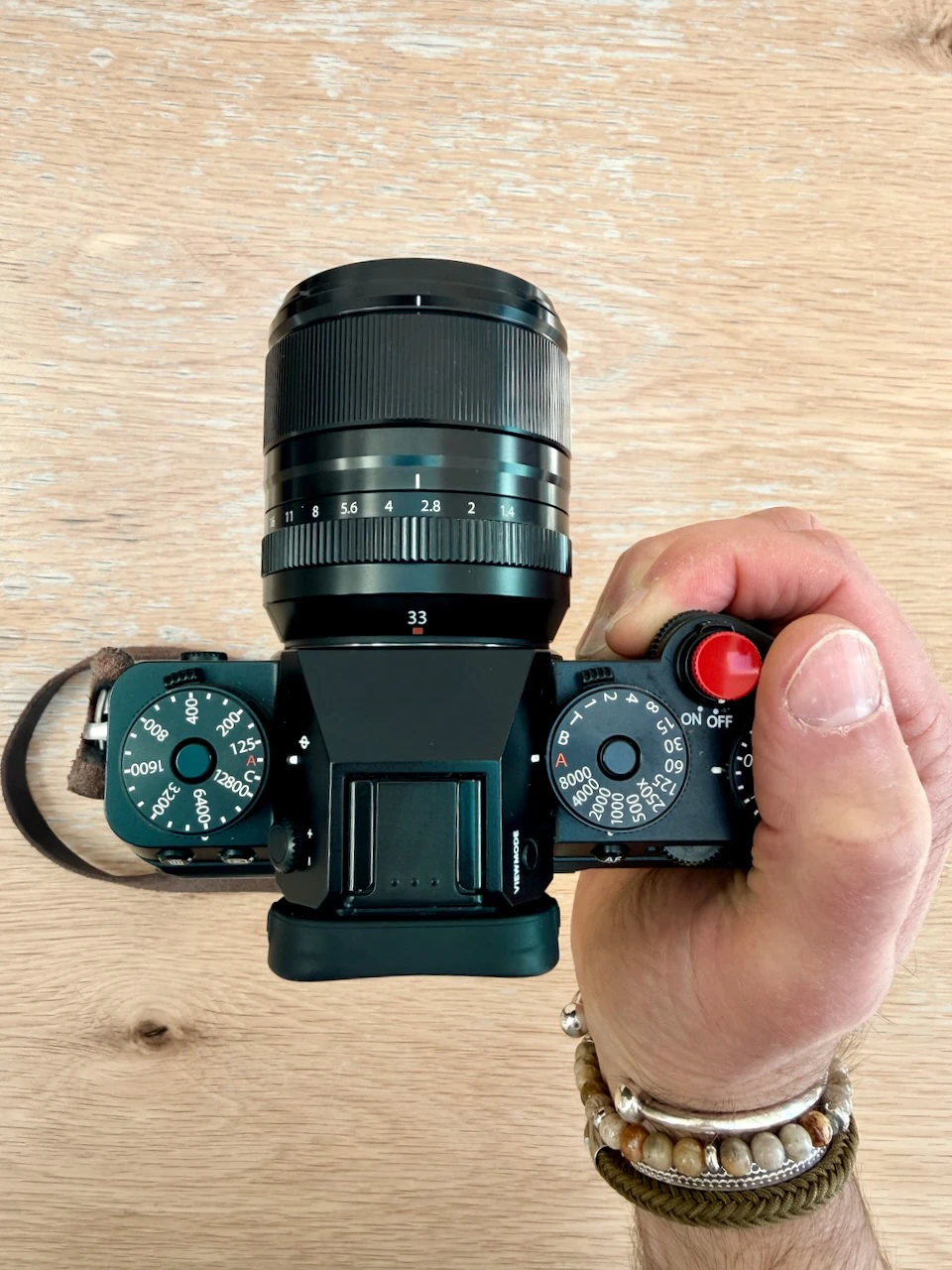
The camera operates pretty much like any other Fujifilm X or GFX camera. The menus are the same (not that intuitive, but that’s a general Fujifilm issue), although some of the buttons are in different places to the X-T5 (as was the case with the GFX100RF). This isn’t a problem per se (either layout is perfectly fine), but if you’re switching between the two regularly you might find it mildly annoying.
Given the size of the camera, I found the lack of a D-pad disappointing. I really value these custom buttons and I find them more intuitive to use than the joystick. The X-T5 has both, so I don’t really understand the logic for not including them on this model too.
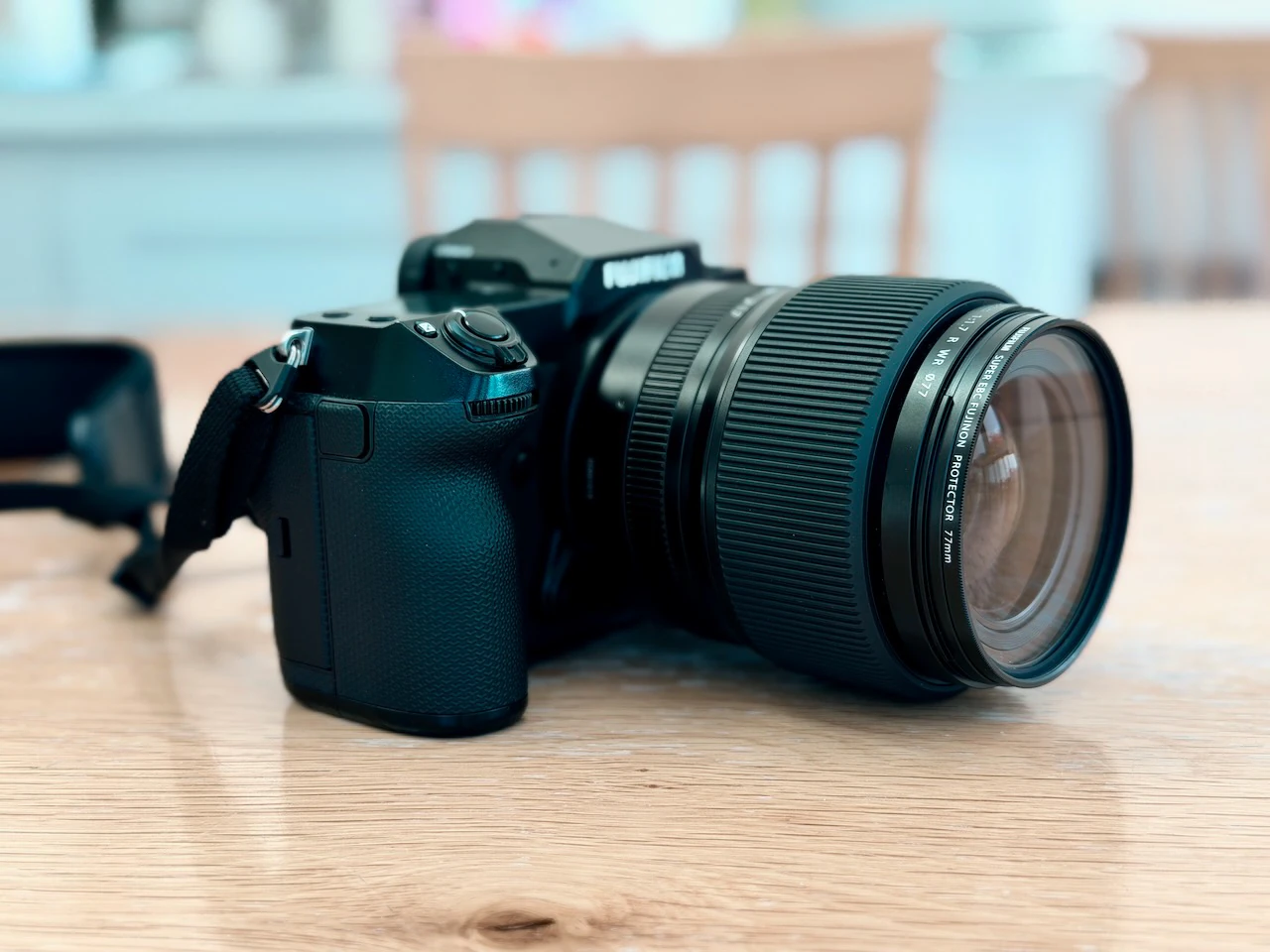
The joystick is, like the GFX100RF, larger and flatter than the one on the X-T5 or X100VI. I find this larger style harder to use than the smaller one on the X-Series. The GFX bodies are larger so it’s easier to accommodate a larger thumbpad on the joystick, but it just feels much more effort to move than the X series one. Personal preference, perhaps, but I much prefer the X-Series version.
One of the premium selling points of the GFX100S II is the EVF – it’s large and clear. With 5.76 million pixels it’s noticeably better than the X-T5. I can only imagine what the even larger one in the GFX100 II looks like with 9.44 million pixels! Hopefully the X-T6 will get some of this technology, but maybe the compact body is just too small to contain it.
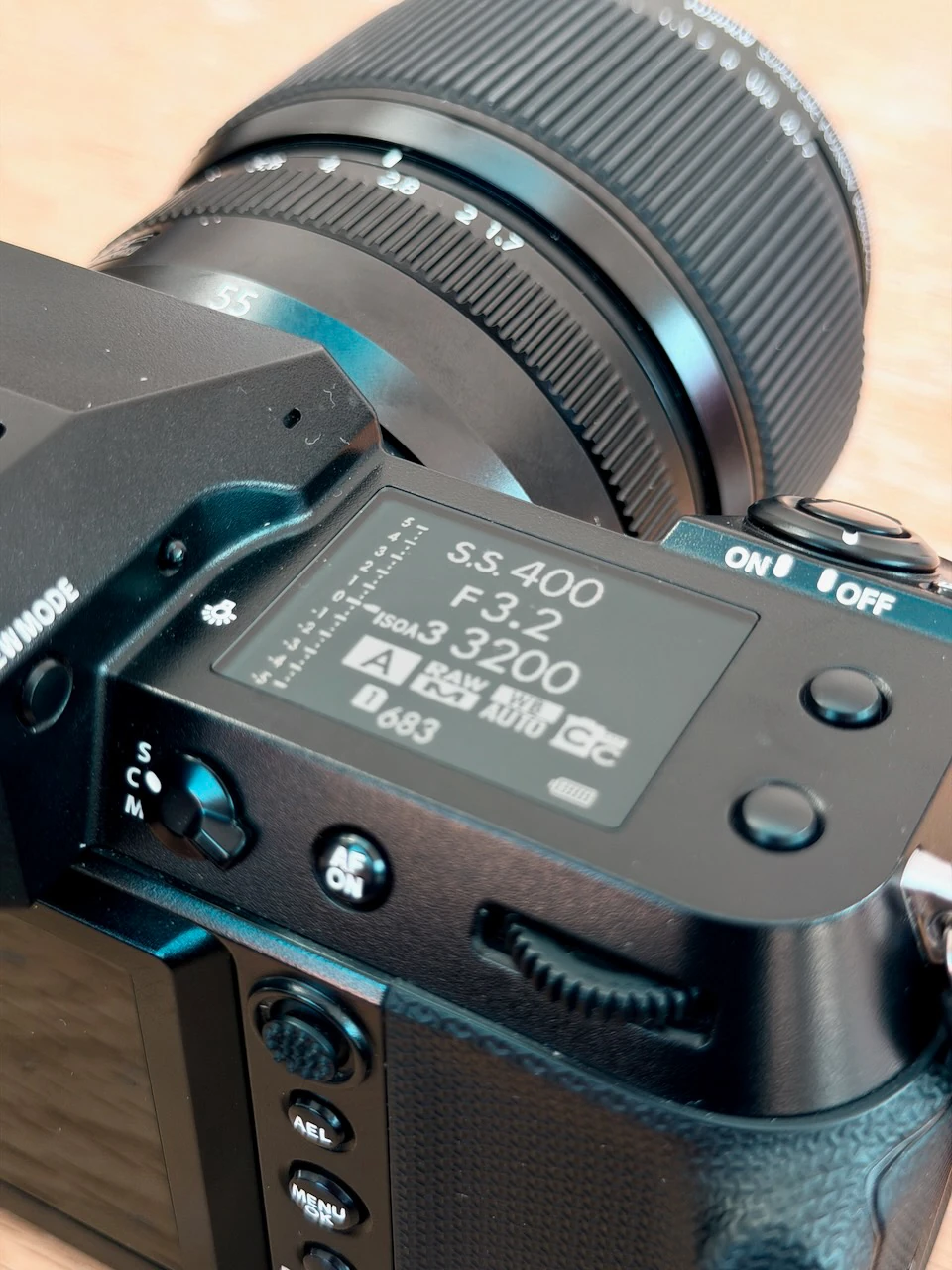
The GFX100S II has a second screen on the top of the body. This is an always-on e-ink screen, echoing the design of SLRs of yesteryear. It’s a nice touch, but to be honest I never really looked at it. I’m sure I’d get used to it over time, but I wonder if this real estate could be better used with additional customisable dials and buttons as you get on the Sony A7 series?
Shooting
The shooting experience is essentially the same as with any other X- or GFX-Series camera. The metering options, the autofocus options, the film sims – they’re very familiar to any Fujifilm customer.
This is fine if you have familiarity, but new-to-Fuji customers are going to have to go through the tricky initiation/hazing trial of learning the menus and customising the buttons which is so much harder than it needs to be in 2026. I talk about this in every review of Fuji gear that I do, and I know I sound like a stuck record, but I’ll keep doing so until Fujifilm sort it out.
The two most premium camera brands are Leica and Hasselblad and the user interfaces on their cameras are light years ahead of Fujifilm. This GFX100S II is competing directly with the Hasselblad X2D 100C and I think they’ve dropped the ball by not improving their UI for this GFX range. Hasselblad are simply on another software level. Take a look at this:
Now go and take a look at your Fuji menus. Oh dear.
Performance
Due to the epic size of the sensor, GFX cameras need a lot of processing power to match the performance of the X-Series cameras. The GFX100S II has the S in the name for a reason – speed. And it’s genuinely impressive!
To a large extent it feels almost (but not quite) as quick as my X-T5 which is a big accomplishment. For landscape and portrait work, you’ll have no complaints. If you’re after quicker action and street photos, you’ll likely struggle a bit more, but this is not the sort of photography the GFX is aimed at. Why are you shooting street on a GFX100S II? Nobody is, surely?
I spent a day taking street portraits and it worked well. The eye-tracking auto focus was pretty good, although I felt it’s a little better on the X series. I had the performance boost on, but it still missed some shots. Some of this will be down to my clumsiness, no doubt, so I don’t think you’d be disappointed once you’d got the hang of the camera. It’s more than good enough.
There did seem to be a noticeable delay when shooting in RAW + JPEG mode. Switching to only RAW made things snappier, which I suppose you’d expect (there’s less for the processor to do). It’s worth noting that you don’t experience this slow down with the X-T5.
The GFX100S II uses a traditional PASM dial rather than separate ISO and shutter dials like the X-T5 (they should totally do a GFX-T series!), but I don’t mind this at all (I used to have X-S10). In fact, I value the easy access to custom settings which requires going into the dreaded menus on the X-T5.
One thing I noticed is that to access exposure compensation using the rear command dial, you have to press and hold a button next to the shutter button while you move the dial. I really didn’t like this. I found it non-intuitive and hard to use. Perhaps you can override the button and make it optional, but I couldn’t figure out how (because Fuji menus).
Image quality
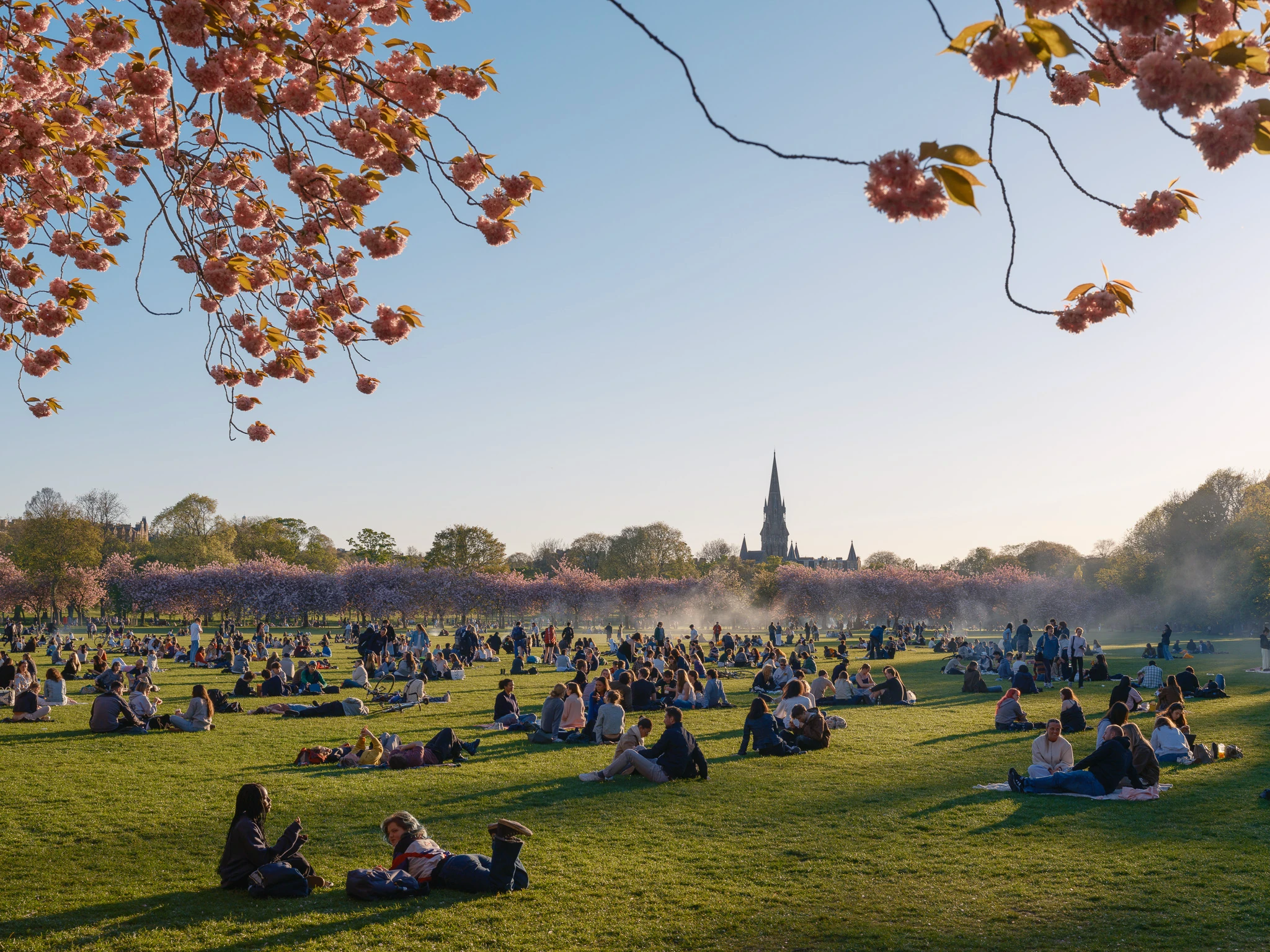
Let’s get the obvious over and done with. Is the image quality any good? Yes! The images are extremely detailed and the sharpness from the GF55mmF1.7 lens is incredible. There are more pixels that you’ll ever need – 11648 x 8736 pixels to be precise. This is insane!
If you want the highest possible image quality, you can’t really go wrong with this camera. It will deliver. I haven’t tested any of the other GFX lenses (and I have no idea how to really test a lens) but I’m sure they’re just as sharp as this wonderful 55mm.
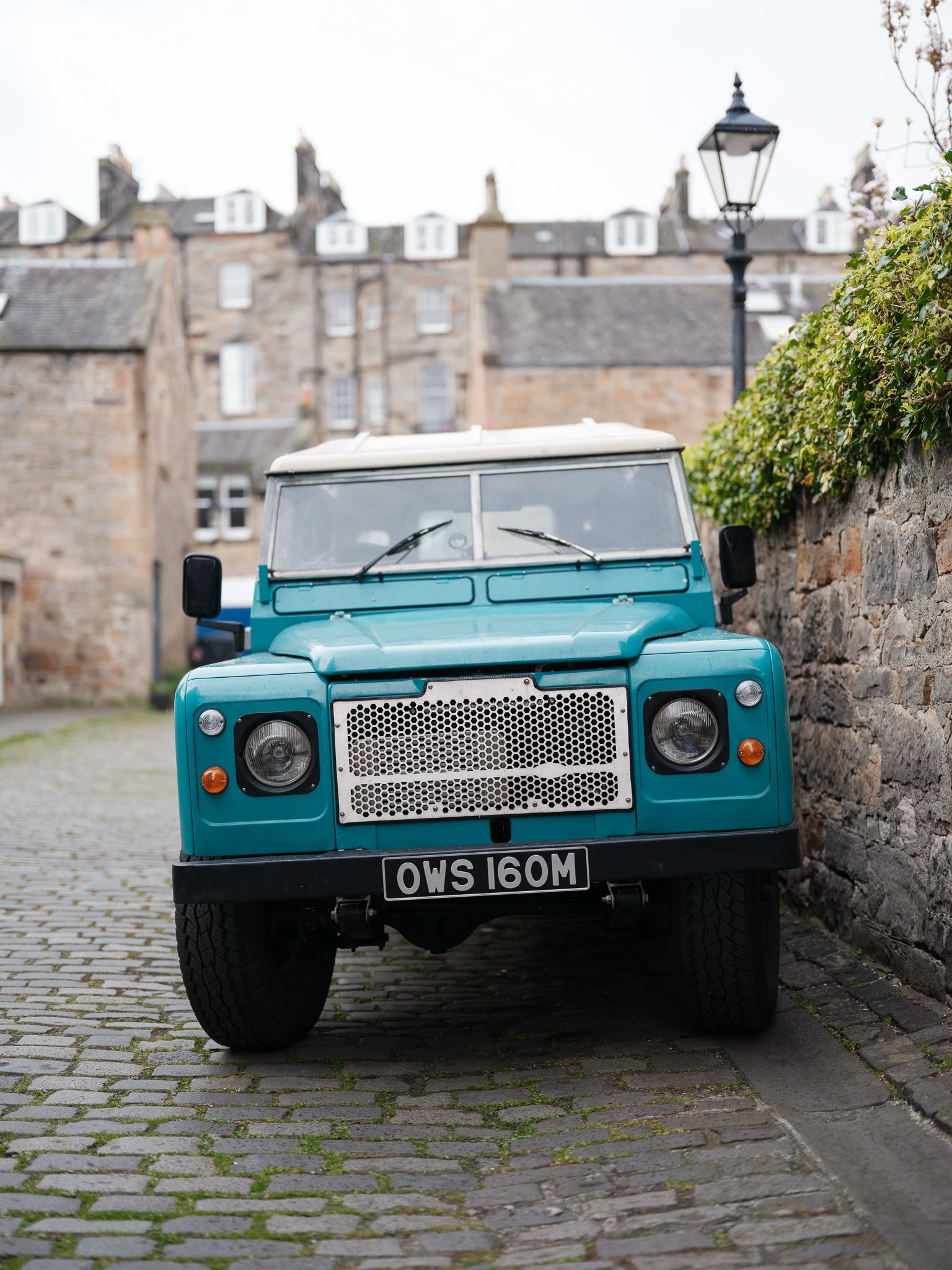
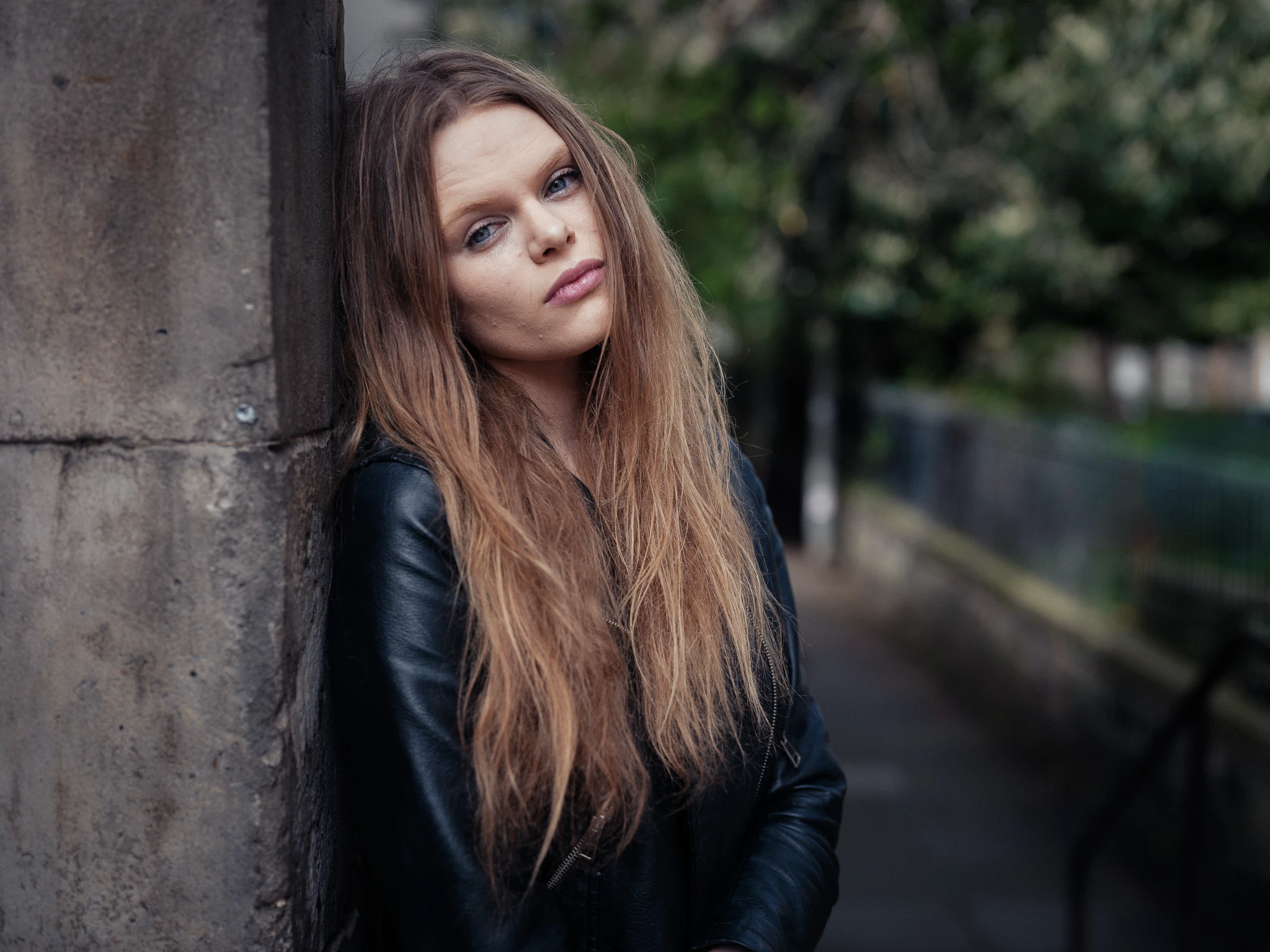
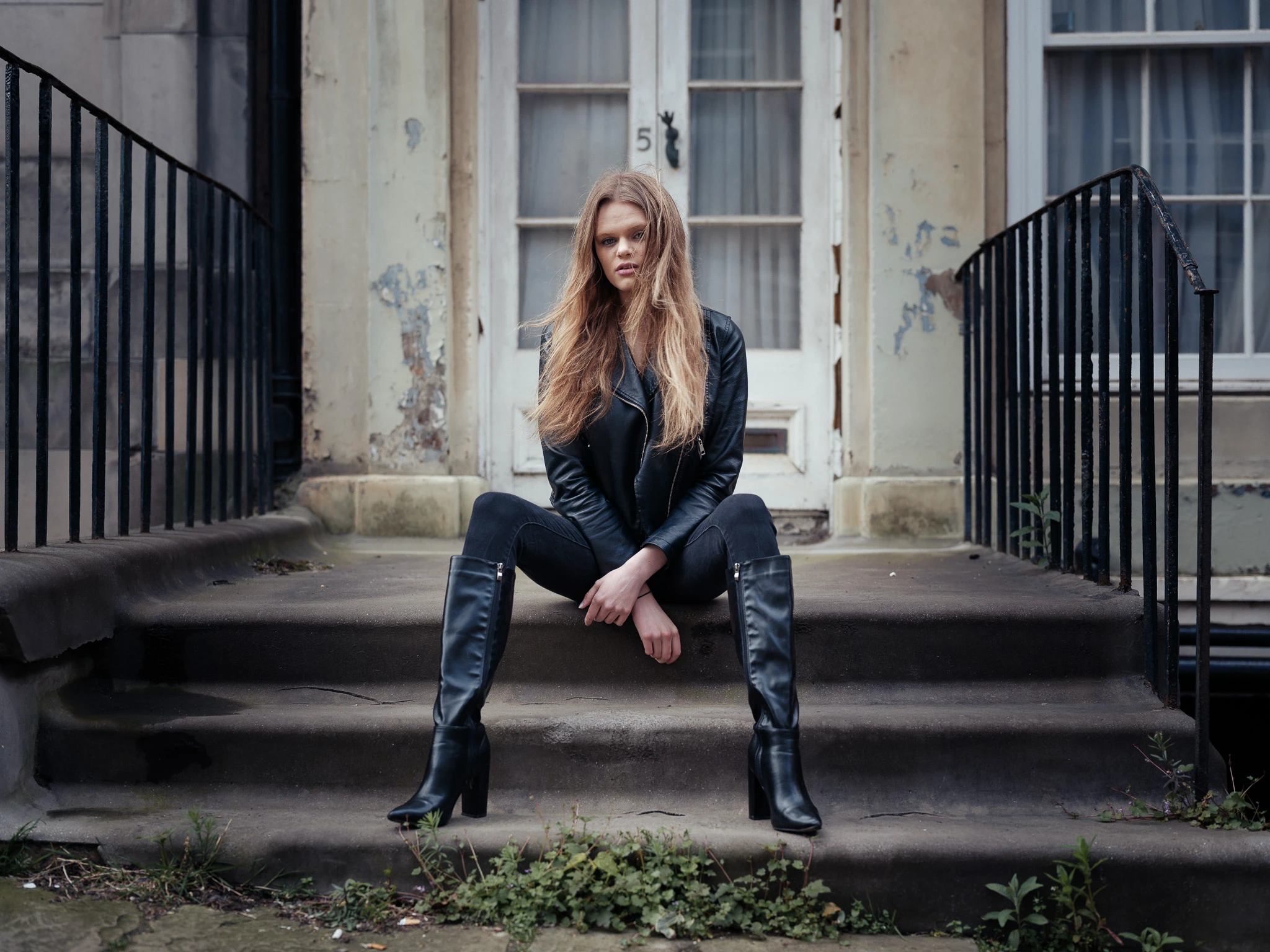
The bokeh from this lens is out of this world. At F1.7 it’s almost too much, so I found myself using F2.0 or F2.8 when close up. Here are some portrait samples.


While this sensor is technically brilliant, I think you need to question whether you need this level of detail at all. I struggle somewhat to see what the genuine use cases are for such monstrous images other than printing something at a massive scale. But even if you’re doing that, do you actually need such crazy detail? The larger you print something, the further back you have to stand so the less actual DPI you need. According to Claude, here’s the minimum DPI by distance:
- 1 ft away: ~300 DPI
- 2 ft: ~150 DPI
- 4 ft: ~75 DPI
- 6 ft: ~50 DPI
- 10 ft: ~30 DPI
So, for a 11648 × 8736 image, you could print a photo on a 6m x 4m wall at 50 DPI!
Basically, you don’t need this resolution. It’s a nice to have for people who want the best of the best, regardless of whether it’s necessary. Sure, it does allow you to do some crazy ass cropping, but if you’re picking fragments out of your photos in that way then maybe you need to rethink how you’re taking the photos in the first place?


What you also need to think about is that the more pixels your images have, the more GB you’re gonna need to store them. I’m very aware of my storage space, so when I was using this camera on a day shooting portraits, I actually set the camera to 50MP. I didn’t shoot at 102MP because (a) it’s not necessary as described above, and (b) it’s absolutely punishing on your SSD and cloud storage.
Storage used to be cheap, but in the AI age the prices have exploded and they’re only going to get higher over the next year or two. I don’t know about you, but I want fewer megapixels right now, not more! The trade off right now isn’t worth it in my opinion.
Shooting on the GFX100S II at at 102MP gives you RAW files well over 220MB in size. At 50MP (“fine” over “super fine”) this drops to 119MB when stored lossless. I opted to store them as “compressed” which results in some data being discarded, but I couldn’t see any difference visually, and the files were 70MB in this form which felt like a reasonable compromise. JPEGs are about 1/3 of the size of RAWs, but I imagine most people are going to shoot RAW with this camera.
Issues
The hardware is great. Full stop. No issues.
The complaints I have are all software related. I’ve moaned about the archaic menu system already, but it would be remiss not to call out the shambolic state of the Fujifilm X app (no, not that X app). This app is diabolical. I’ve been trying to use it with my X-T5, as well as my X100VI, with mixed success but I had zero success with the GFX100S II. Pairing via Bluetooth simply wouldn’t work. I’m technically very proficient, but 30 years of software development experience failed me when trying to connect this camera to their woeful app.
For a company the size of Fujifilm, this is simply unacceptable. They need to shake up their entire software factory and start afresh because they seem to be completely stuck in a dead end. It’s such a shame, and it’s holding them back. Come on Fuji, sort it out!
Conclusion
Fujifilm have done an excellent job with this camera, and apart from the aforementioned nitpicks (lack of D-pad, exposure comp button, menu hell), there’s nothing here to really complain about at all. If you want to move into the world of high-resolution medium (ahem, large) format digital photography then it’s a perfect place to start.
The images are crisp, the camera is fast (for it’s size), and the ergonomics are very good.
The GF55mmF1.7 R WR lens is absolutely wonderful, offering sharpness and exquisite bokeh – perhaps almost too much at F1.7 in portrait situations! I genuinely loved this lens so much it’s making me want to ditch APSC for full frame (sorry Fuji).
Make no mistake, the GFX100S II is an expensive camera, with lens costs to boot, but you’re getting a high quality product for your money. And you need a lot of money – the body retails at £4,999 and the GF55mmF1.7 R WR retails at £2,249.
This is definitely a saving over its nearest rival though. The Hasselblad X2D 100C II is £6,400 for the body and £3,559 for the 55mm f2.5 lens. However, the Hasselblad does appear to edge it in the quality and performance stakes, as well as (in my opinion) with design. If you’re going to shell out over seven grand for a camera body and one lens, maybe three thousand more doesn’t seem that much for absolute perfection?
In the end, it’s clear I have no need for 102 megapixels and therefore GFX. The 40MP I get with my X-T5 is enough, but I think 50MP might be the sweet spot. A Sony or a Leica full frame would give me 60MP, which is still more than enough, so I’m struggling to see why I’d go down the medium format route. People talk about the rendering but I just don’t see a difference. What do I know though, I’m a lowly street and documentary photographer. I’m likely missing something.
Fujifilm started their medium format journey at 50MP and the discontinued compact GFX 50R has become a much sought-after classic, even attracting street shooters. I doubt Fujifilm will return to 50MP medium format (they seem more likely to go even higher on the megapixels) but I think there would be a demand for it. For my needs, a GFX 50R II would actually be a more attractive proposition. I’m sure a lot of people would agree, so perhaps Fuji will have a future surprise in store for us. Can you just make sure we get a UI overhaul first, please?
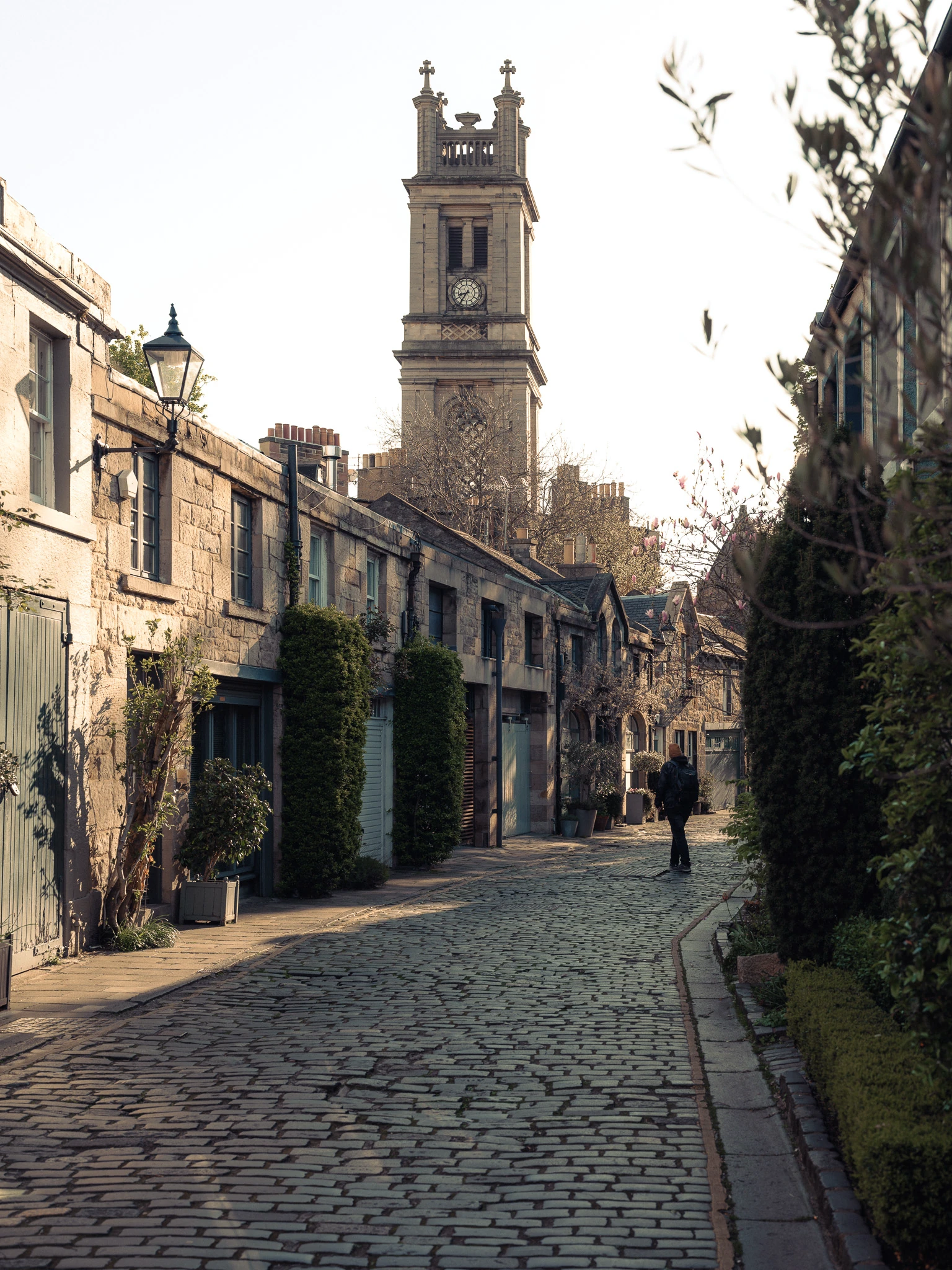
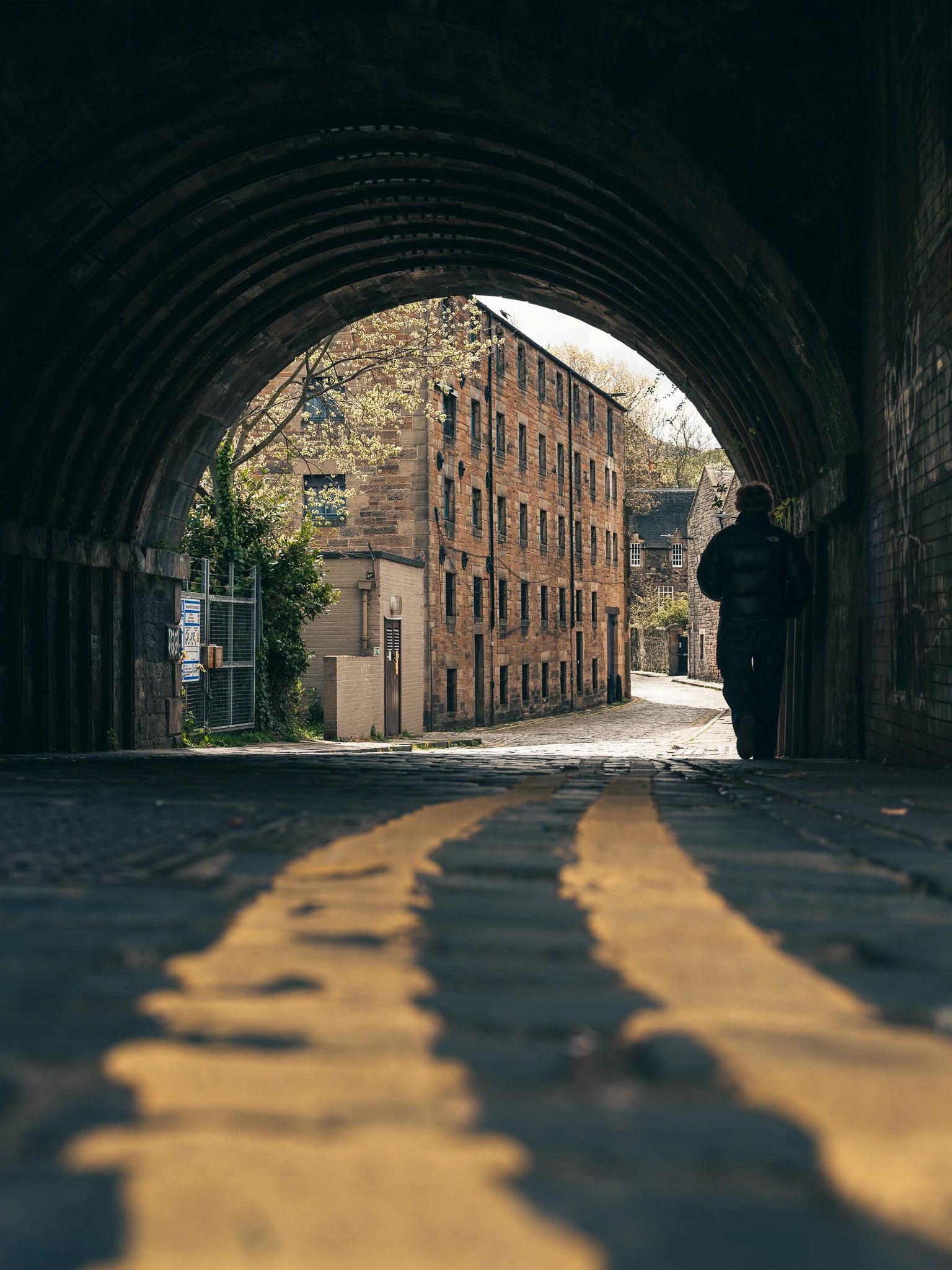
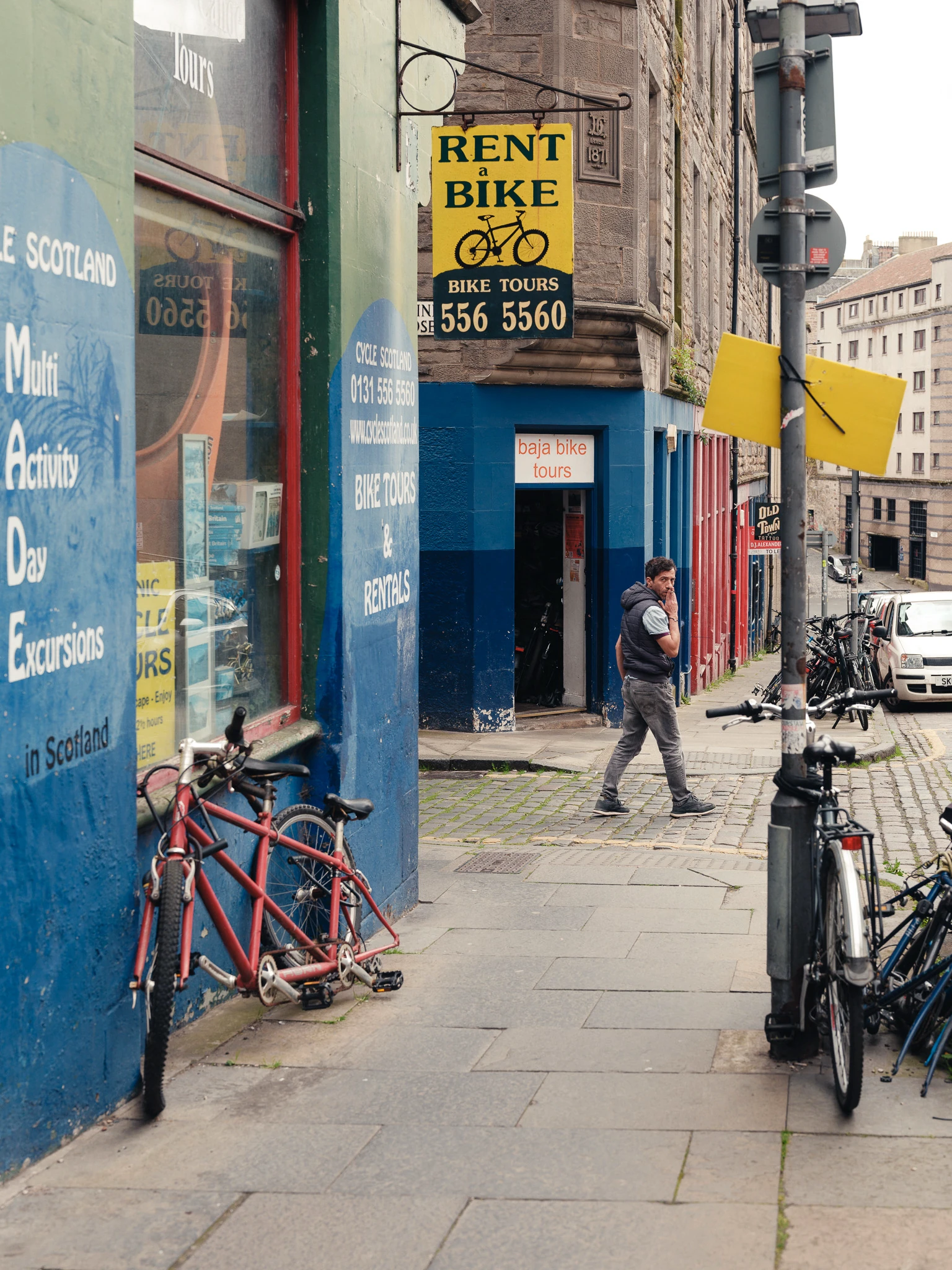
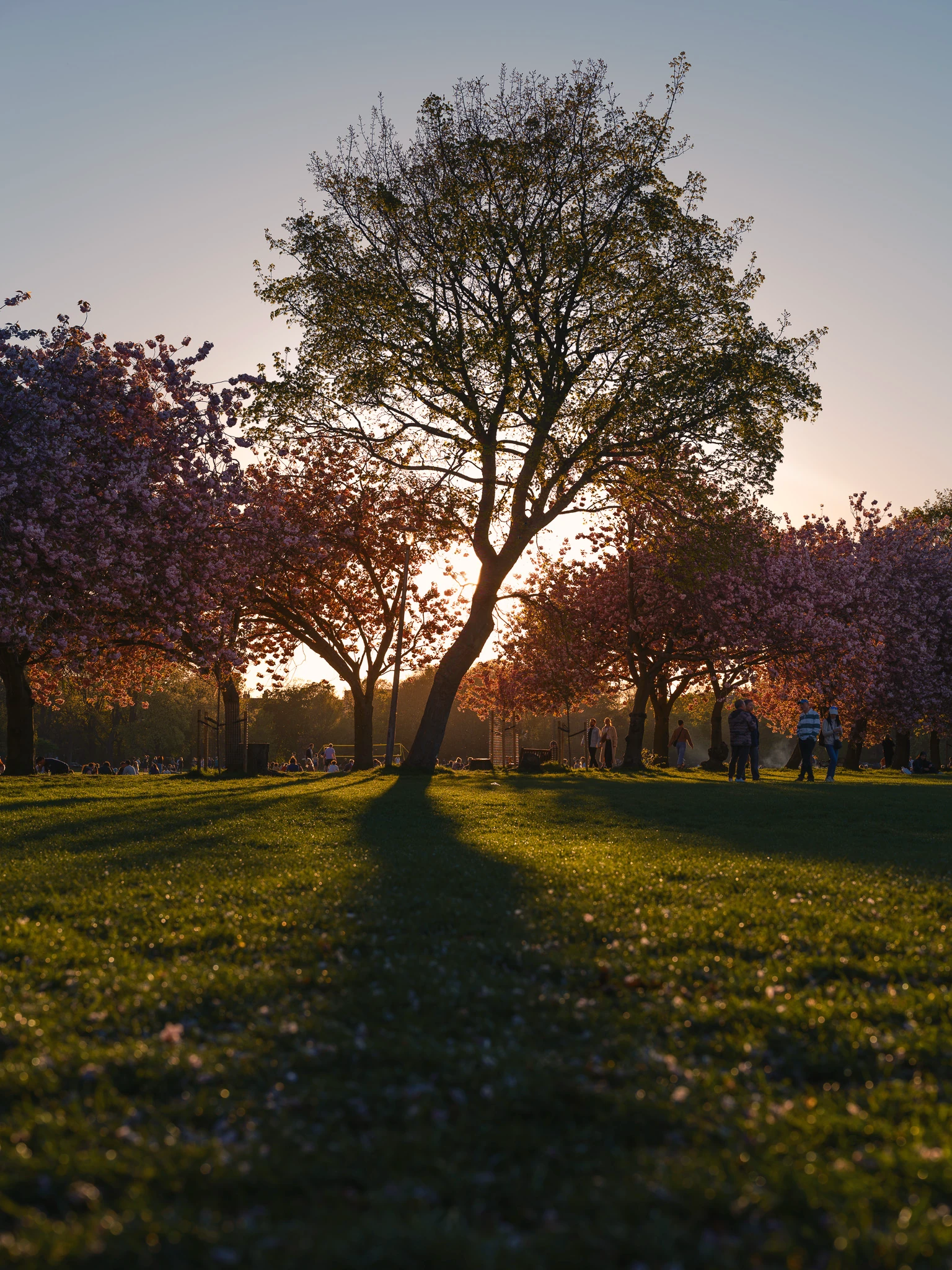
Finally, a few more sample images
Let me know what you think!