Fujifilm XF 16-55mm WR II review. The Perfect Fujifilm Zoom Lens?
The original Fujifilm XF16-55mm F2.8 R LM WR zoom lens was very highly regarded. As one of the “red badge” zoom lenses, it was pitched as a “prime zoom”, meaning it had a fixed f2.8 aperture throughout the zoom range and had image quality to match their prime lenses. This came at a cost, naturally, in size, weight and price. The lens cost well over £1000 in the UK, was a minimum length of 106mm (129.5mm when zoomed), had a filter size of 77mm and weighed a hefty 655g. It was best suited to an X-H body, or an X-T at a push. For anything smaller, forget it.
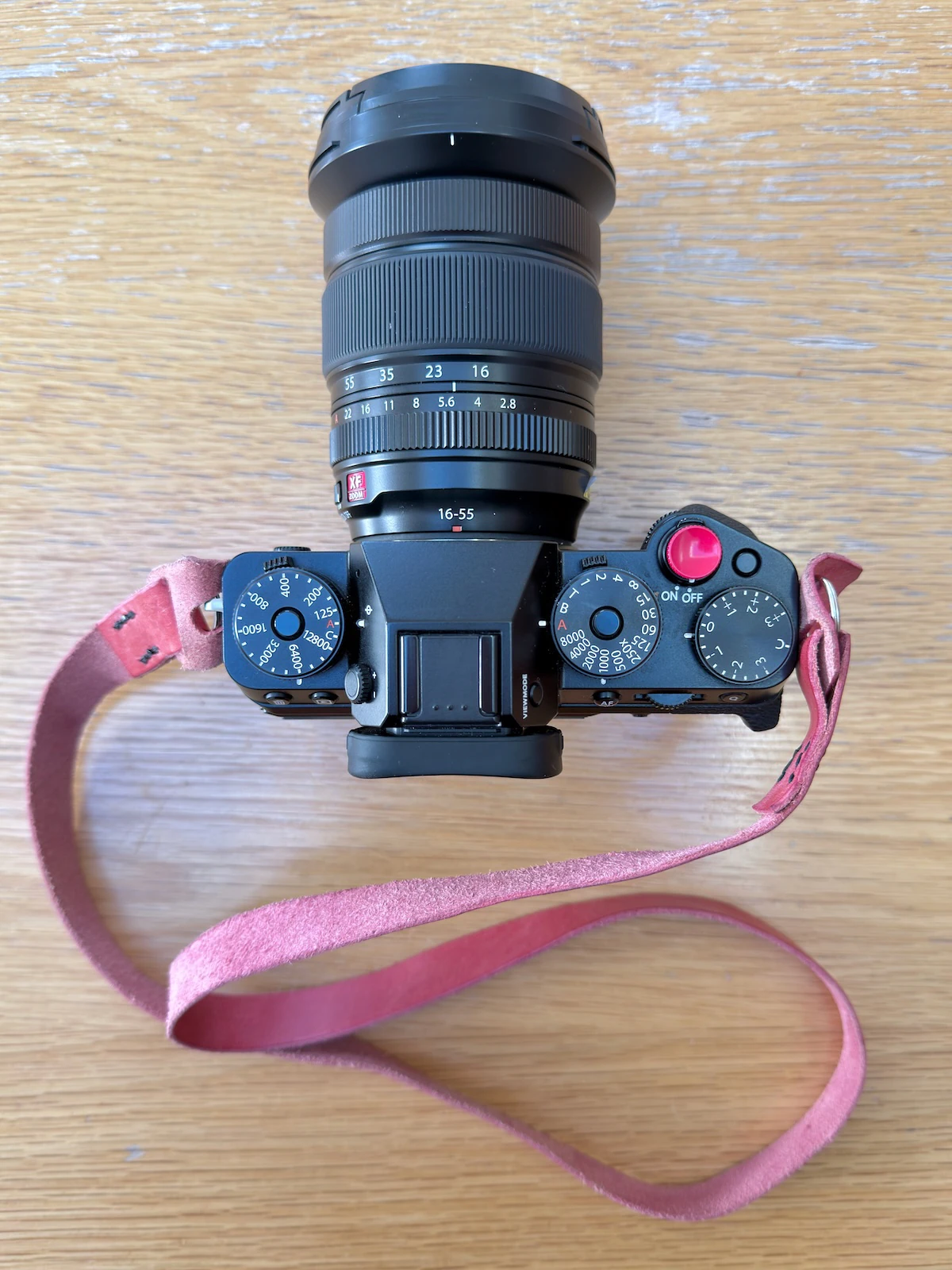
This lens was released way back in 2015, when Fujifilm cameras maxxed out at 24MP. Since the advent of the latest 40MP lenses, Fujifilm have gradually been updating their premium lenses to take advantage of this new resolution, and in late 2024 they released the second generation of this lens, the XF16-55mm F2.8 R LM WR II. They have managed to significantly reduce the size and weight, but not, of course, the cost. The new lens is only 95mm in length (122mm when zoomed), with a 72mm filter size, and it now weighs only 410g.
I recently loaned one from Fujifilm and gave it a spin for a week. As a fan of the Sigma 18-50mm f2.8, I wanted to see whether I should consider an upgrade to Fujifilm’s new offering. Could I be convinced? Read on to find out.
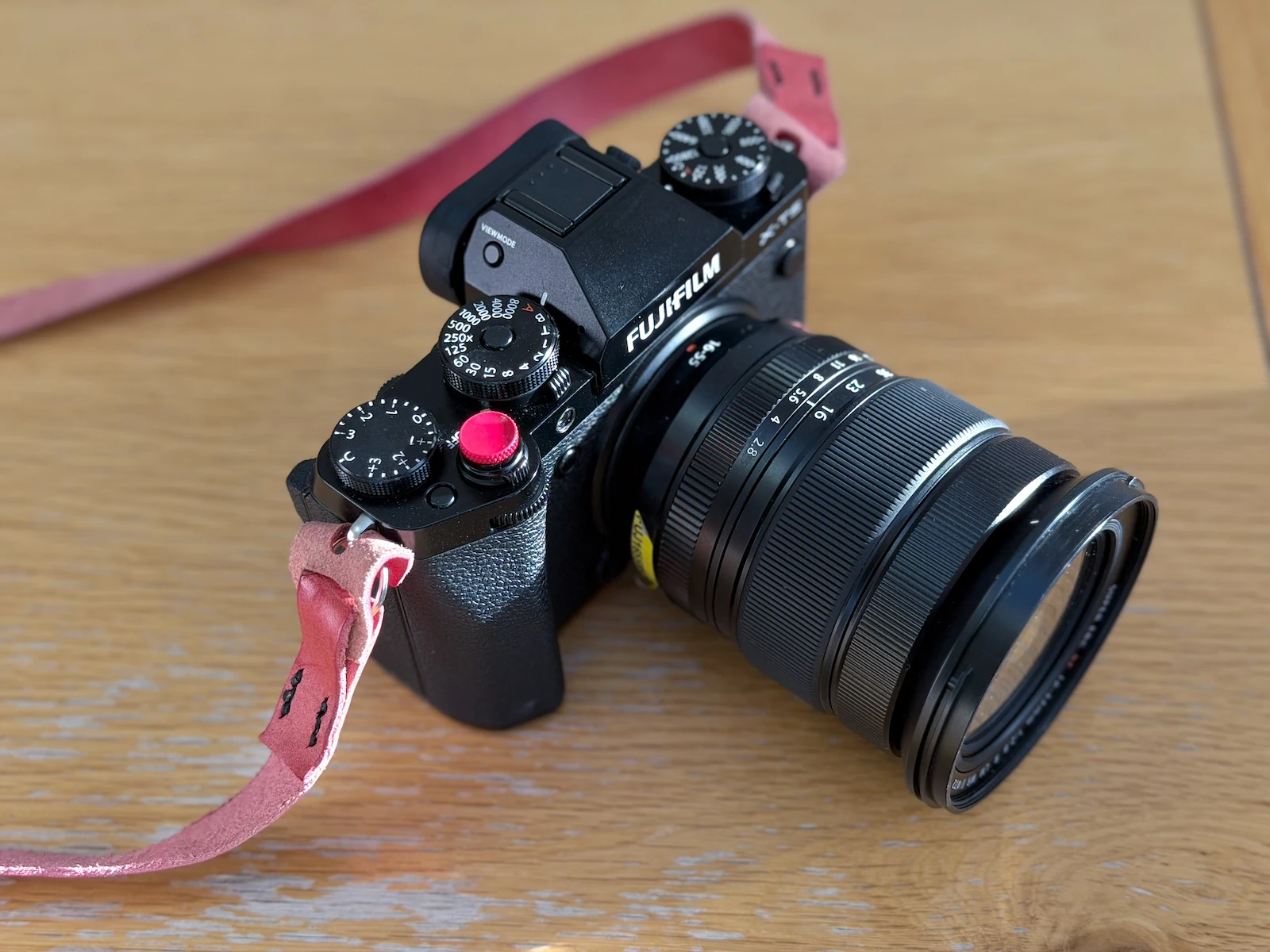
First impressions. Build quality, size and weight
I never tried the original version, but the new lens still feels a little on the large size, as well as rather heavy for me. Not enough to put me off, but make no mistake, this is still something of a tank – how people coped with the original is beyond me! Still, it’s in the “acceptable” range for a long day of photography so the size isn’t enough to put me off. I had previously owned the XF16-80mmF4 R OIS WR many years ago, and this new XF16-55mmF2.8 is lighter and almost as compact as that lens. So if you’re comfortable with the XF16-80mm, you’ll likely be delighted with the XF 16-55mm.
The build quality is excellent, as you’d expect from Fujifilm. The aperture ring can be switched between clickable and non-clickable, unlike the original (this is useful for video, so I’m told). I find the action a little too smooth for my liking in clickable mode. I prefer a very solid click between stops like on my XF 33mm F1.4, but this feels a bit too soft for me especially when reducing the aperture (it feels a bit better when increasing, oddly). Perhaps it’s because it was a well-used loaner, I don’t know. Not a deal breaker, just something I noticed.
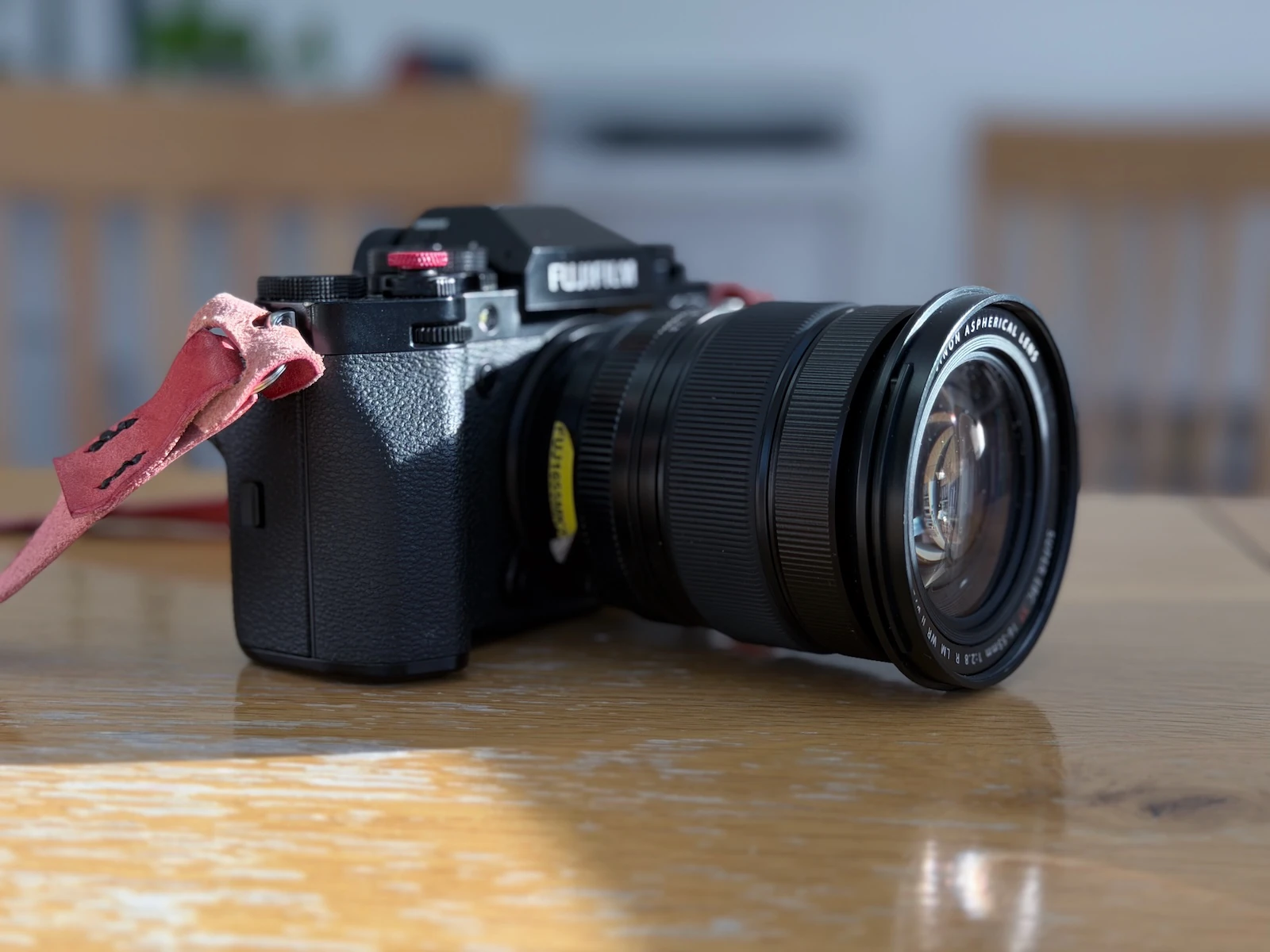
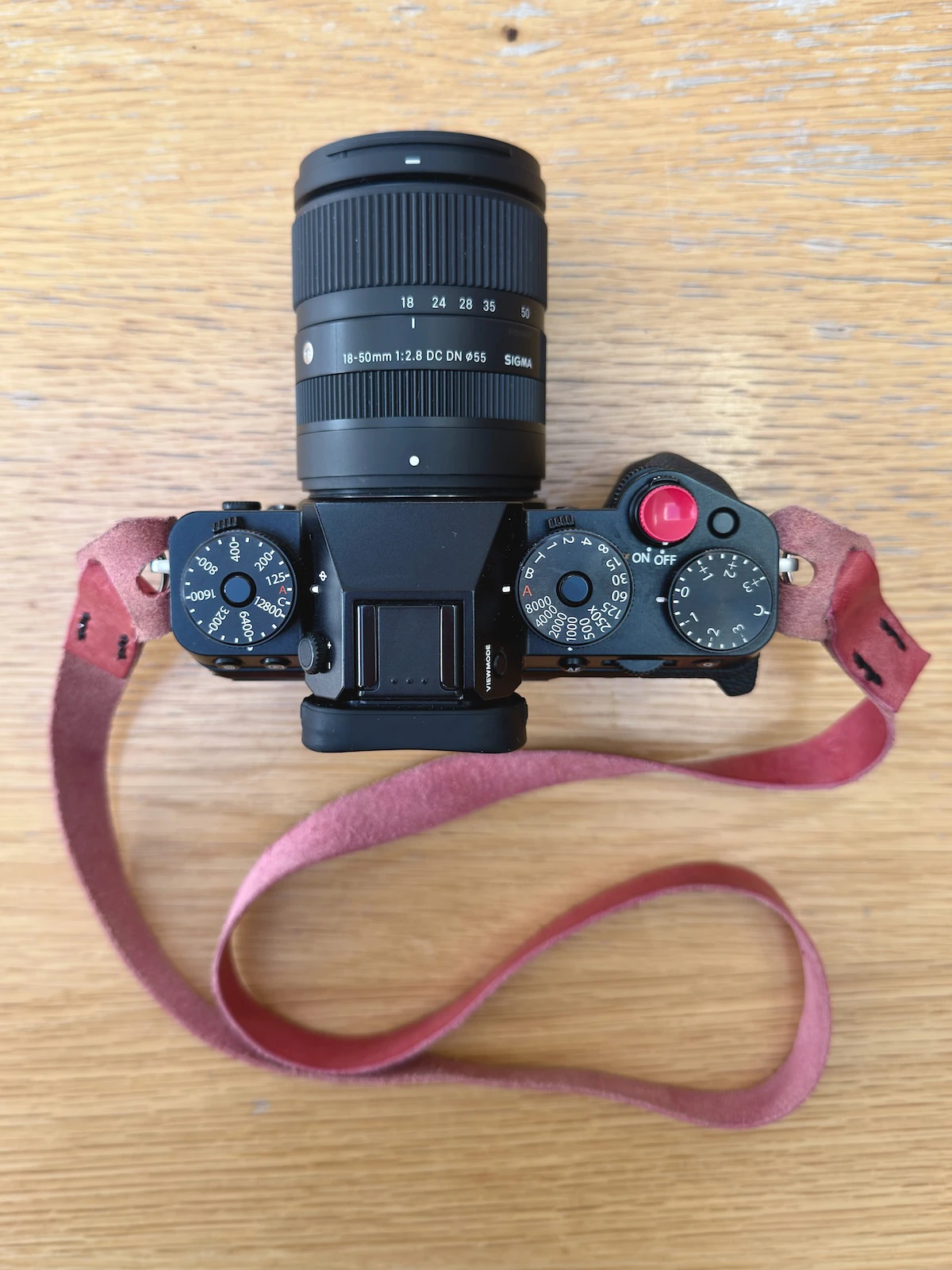
On my X-T5 the lens feels large and a little front-heavy. Not massively so, just a little, but it’s noticable. You could argue this is just one of those tradeoffs you have to accept, but I don’t necessarily agree because Sigma have packed a similar lens into a much smaller body that weighs only 285g. My guess is that Fujifilm were unwilling to accept any tradeoff in image quality to reduce the size even more, which makes total sense, but can people really tell the difference with image quality when it’s so good across the board these days?
What’s the image quality like?
From what I can tell, the lens produces exceptionally good images at all zoom levels and apertures, as you would expect. Other bloggers will have done intricate scientific tests of this vs alternative lenses, if that’s important to you, but to my eyes (and for my needs) pretty much all Fujifilm and Sigma lenses produce exceptionally good images, even the 10+ year old Fuji ones.
If you’re creating photographs that require the utmost image precision (studio portraits? landscapes? I honestly don’t know), then maybe this new lens brings advantages to you on the 40MP sensor, but this must be a very small minority of customers. The old lens, or the Sigma, will surely be more than good enough?
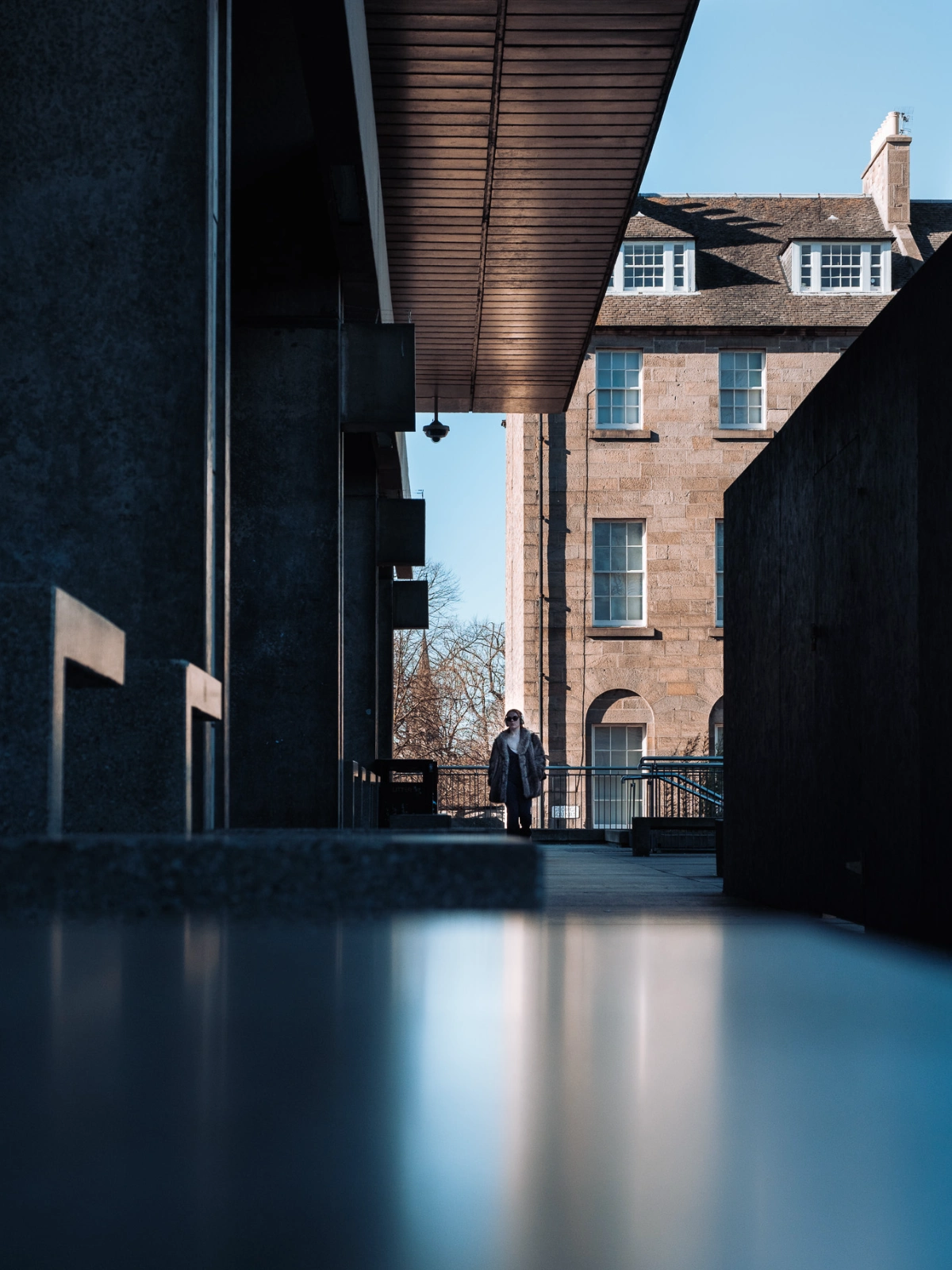
Here are a few images I took with the lens on the X-T5.



16-55mm vs 16-50mm vs 16-80mm vs 18-55mm
When choosing a standard-range (i.e. not super wide, not telephoto) Fujifilm zoom, there are plenty of options. This new 16-55mm F2.8, the old version, the ‘kit’ 16-50mm F2.8-4.8, the 16-80mm F4 and the Sigma 18-55mm F2.8 (there are other 3rd party ones, but I’ve only tried this selection). So which should you choose? There are a few factors to consider.
Range
The first choice is range. Do you need to go as wide as 16mm (which is 24mm in full frame)? Do you need to go as long as 80mm (120mm full frame), or are you happy with 50mm (75mm full frame), or 55mm (82.5mm full frame)?
If you absolutely must go to 80mm then you need the 16-80, but maybe you should be considering the 18-135mm? Otherwise either 50mm or 55mm will be just fine. The 5mm additional zoom won’t make much difference, you can always crop in a little and you’ll barely lose resolution on a 40MP sensor.
A bigger decision is 16mm vs 18mm on the wide end. 16mm (24mm FF) is, to me, noticably wider and better in a number of scenarios than 18mm. Sometimes I’ve found 18mm (27mm FF) isn’t quite wide enough, but perhaps this is just me. I’m a massive fan of the 16mm Fuji prime after all so perhaps I’m biased, but if you find you need to go wider than the 18mm then you either move your feet, or accept defeat.
Most premium full-frame zooms (Canon, Sony, etc) are in the 24-70 F2.8 range, so for me the 16-55mm F2.8 is the absolute sweet spot here.
Aperture
The fixed-aperture zooms like the XF16-55mm F2.8 R LM WR II are, in my opinion, a step up from the variable aperture options. Being able to open up to F2.8 in full zoom gives you both wonderful bokeh (comparable to a prime) and better low light performance. So for me, I want an F2.8 zoom. It’s the premium choice.
If F2.8 on the long end doesn’t bother you, then seriously consider the XF 16-50mm kit lens. The image quality isn’t technically as good but you will not notice this in the vast majority of situations! This lens is only F4.8 when fully zoomed, but it’s an internal zoom so it doesn’t extend, which is just wonderful. I’m sure there are reasons of physics why this isn’t possible with the F2.8 option – I wish it were though, that would be a game changer.
How does it compare to the Sigma 18-50mm F2.8?
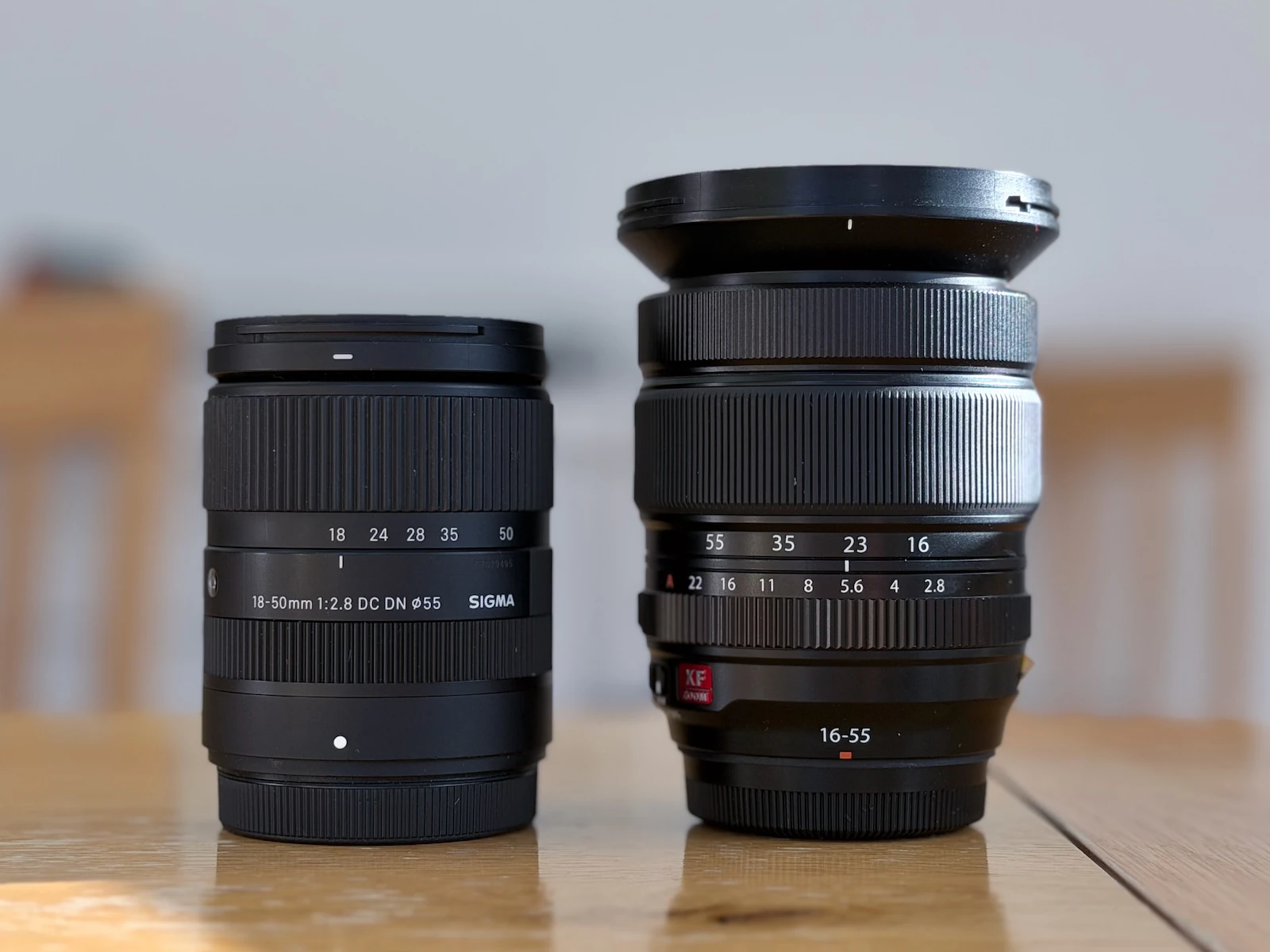
This was the main question I had when loaning the lens. I love the Sigma, but there are a few improvements I’d like to see which the XF16-55mm F2.8 R LM WR II addresses: weather resistance, an aperture ring, plus the wider 16mm focal length I’ve grown to love. So what are the tradeoffs, and are they worth it?
Weather resistance
I’ve used Fujifilm WR lenses in complete downpours and they have performed admirably. I’ve no doubt that the XF16-55mm F2.8 R LM WR II is the same – it’s built like a tank and I’m sure it performs like one in all weathers. With the Sigma 18-55mm F2.8, I’m less confident. Sigma does not market this lens as weather resistant, but it’s worth noting what they say on their website:
Mount with Dust and Splash Resistant Structure
The lens mount incorporates rubber sealing to protect the mount from dust and water drops.
In my opinion, this is significant. Rubber seals on the lens is key part of weather sealing so your sensor and the camera internals are probably well protected. However, given Sigma don’t market it as weather resistant, there’s probably a higher chance that water could enter the lens itself (via the focus and zoom rings, or through the front) and cause irrepairable damage to the lens.
That said, I’ve used the Sigma in light rain and it has been fine, but your mileage may vary!
Range
As I mention above, the difference between 50mm and 55mm is marginal to me. A 50mm zoom is more than adequate for the majority of my photography. The issue for me is 16mm vs 18mm. I love the 16mm focal length on a Fuji and I do notice it when using the Sigma. It’s not a massive difference, but I do notice it especially when travelling and taking landscape or architectural shots for example.
Aperture ring
This is the smallest trade off. I don’t really mind that the Sigma doesn’t have one because it’s fairly simple to use the rear command dial to change the aperture. I just prefer having a ring on the lens itself that I can move and also instantly see what aperture I’m at. It’s no deal breaker for me.
I have a feeling this ommission could change in the future though. Sigma just released their Contemporary 15mm F1.4 DC which is a gorgeous 24mm equivalent (well, 23mm?) prime lens for Fuji X-mount that has an aperture ring, unlike the old, ugly, chunky version. Might they bring this to an updated zoom in the future? Perhaps a 15-55mm F2.8, to really compete with this new Fujifilm zoom? It might be wishful thinking, but I think there’s a decent chance this could happen and I would be in line to upgrade if it appears.
Conclusion
The Fujifilm XF 16-55mm F2.8 R LM WR II is a wonderful zoom lens, probably best in class for X-mount, but it’s both large and heavy (still, despite being much smaller than the original), and it’s very expensive (£1,149 in the UK as of today).
This might be a price worth paying if weather resistance and the absolute best image quality is important to you, but for the majority of people, like me, I would recommend looking at the Sigma 18–50mm F2.8 DC DN. You don’t get full weather resistance, but you do get a fixed-aperture F2.8 zoom lens with excellent image quality, that’s compact, weighs only 285g, and only costs £459.
With the money you save, you could get a Fujifilm XF 18-135mm f3.5-5.6 WR to go with it!